Thursday, November 4, 2021

There Are More Homes Available Now than There Were This Spring


There’s a lot of talk lately about how challenging it can be to find a home to buy. While housing inventory is still low, there are a few important things to understand about the supply of homes for sale as we move into the end of the year.

The Number of Homes for Sale Usually Peaks in the Fall

In the residential real estate market, trends generally follow a predictable and seasonal pattern. Typically, the number of homes available for sale (or active monthly listings) peaks in the fall. But in a chapter where so little feels normal, the question becomes: should we expect a fall peak this year?

If we look at the active monthly listings for 2021 (shown in the chart below), we’ll see that the number of homes on the market has increased fairly steadily since spring this year. The realtor.com data shows we’re still seeing an increase in active inventory month-over-month. While that gain is a bit smaller month-to-month (see August to September in the chart), September numbers are still up from the month prior.There Are More Homes Available Now than There Were This Spring | Keeping Current MattersThe important takeaway here is the latest monthly numbers show growth. At the end of September, buyers had more options to pick from than they did this spring. That’s encouraging for buyers who may have paused their search months ago because they had trouble finding a home. Danielle Hale, Chief Economist at realtor.com, sums this up nicely:
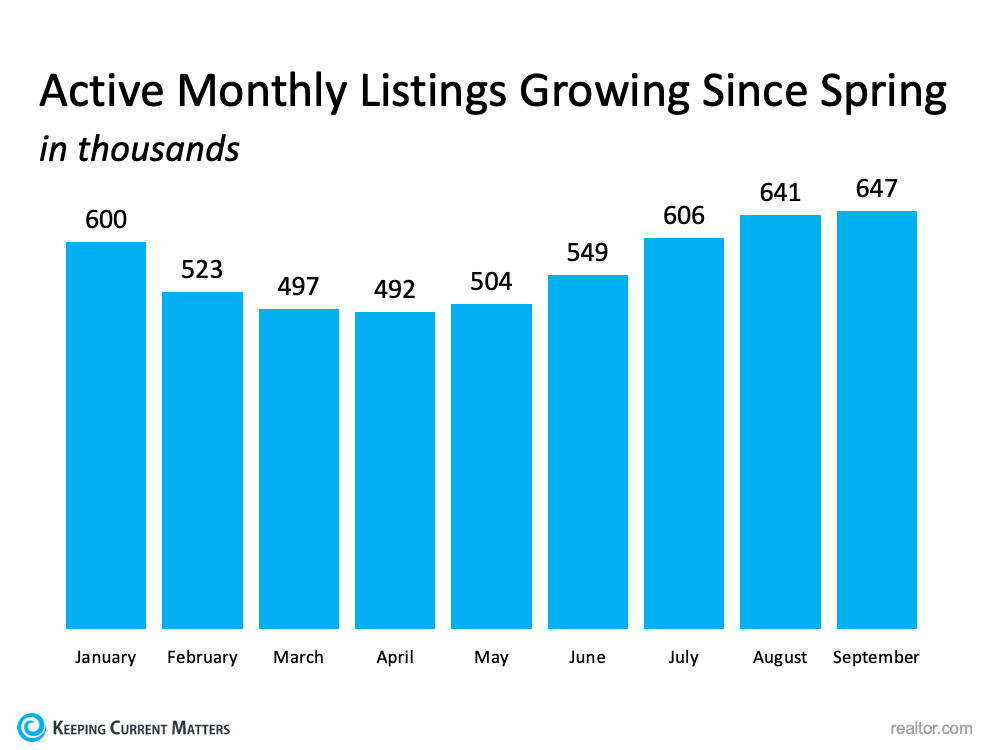
“Put simply, this September buyers had more options than they’ve had all year and while that’s typical of early fall, that’s not what happened in 2020. Still, it’s important to remember that while buyers may have an easier time this fall than they did in the spring, the market remains more competitive than it has been historically at this time of year.” 

As Hale says, a fall peak in inventory is in line with typical seasonal trends. While it’s impossible to say for certain what the future holds for housing inventory, we do know both buyers and sellers have opportunities this season based on the latest data.

What Does That Mean for You?

If you’re thinking of buying a home, rest assured you do have more options now than you did earlier this year – and that’s a welcome relief. That said, today’s market is still highly competitive. This isn’t the time to slow your search. It’s actually the season when the number of homes available for sale tends to peak. Focus on the additional options with renewed energy this season and be prepared for ongoing competition from other buyers.

If you’re considering selling your house, realize that while growing, inventory is still low. Selling now means you’ll be in a great position to negotiate with buyers – and competition among buyers is good news for your bottom line. Eager buyers will likely be motivated to act before the holidays, giving you the benefit of a fast sale.

Bottom Line

Whether you’re buying or selling, there’s still a chance to make your goals a reality this season. Partner with a real estate professional who knows the local market and current trends and can help you understand what they mean for you.

Monday, November 1, 2021

Does Your House Have What Buyers Want?


The rise in remote work is changing what many Americans want in their homes. Many companies are choosing to delay reopening or go remote full-time, and today’s buyers are looking for homes with more space to support their work needs.

As a seller, if you no longer need the extra room you have in your home, rest assured there are buyers who do.

Remote Work Is Here To Stay

Remote work remains a reality for many Americans. A recent poll from Garter, Inc. shows many organizations have not yet returned their offices:

“. . . 66% of organizations are delaying reopening their offices due to new COVID-19 variants.”

And it’s not just companies that are choosing to remain remote for the time being – workers are seeking more flexibility. According to research from PricewaterhouseCoopers, nearly one-fifth of employees want to be fully remote in the future. The study also finds that many people are leaving jobs to seek out remote work opportunities:

“Among employees looking for new jobs, almost one in ten say it’s because they moved away from the office while working remotely and don’t want to go back on-site.”

More Remote Work Means a Greater Need for Home Offices

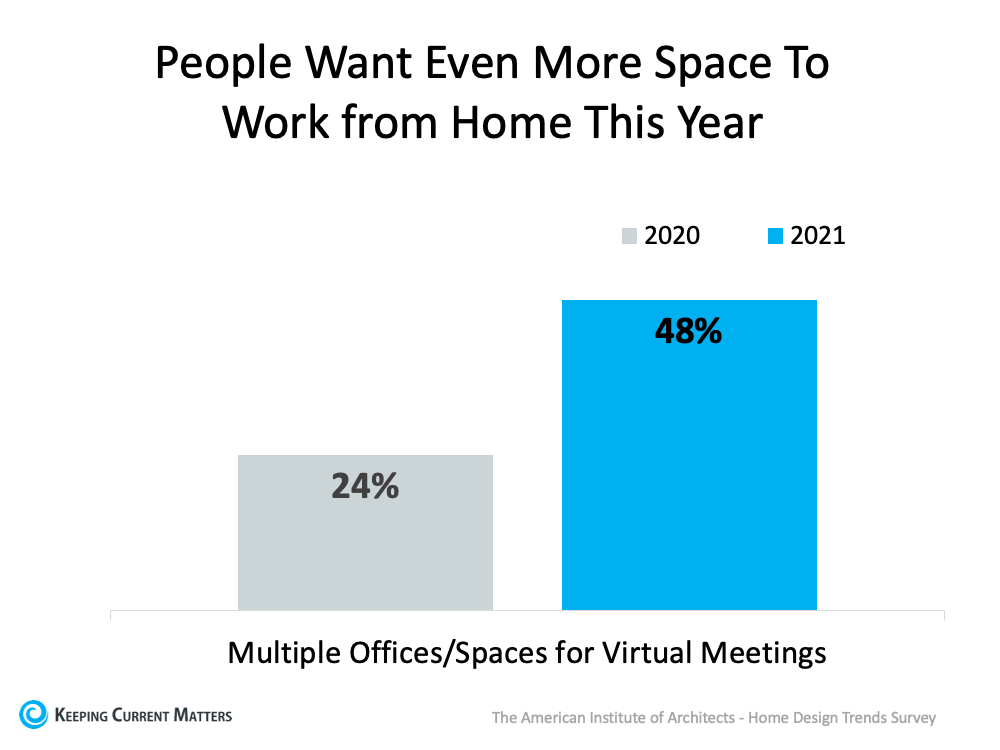
That’s leading today’s buyers to prioritize finding homes with more space so they can comfortably work from home. The 2021 Home Design Trends Survey from the American Institute of Architects finds that 69% of surveyed individuals still want at least one office at home. However, it also shows that more people are looking for multiple spaces in their home for remote work and virtual meetings (see graph below):Does Your House Have What Buyers Want? | Keeping Current Matters

What Does This Mean for You?

If your house has extra space that you no longer need, buyers are interested, and now may be the perfect time to sell.

Your trusted real estate advisor can help you highlight many of the most sought-after features in your listing, including home offices. On the other hand, if you have extra room without a purpose, consider staging it as an area where remote work can happen. Your agent can help you with this as well by evaluating and preparing your space for potential buyers. They’ll make recommendations for how to stage the room, where to draw the eye, and what other sellers are doing to make their houses stand out.

Bottom Line

With the continued rise in remote work, more buyers are looking for homes that can support multiple home offices. If you have extra room you’re no longer using, consider selling. Connect with a trusted real estate advisor to discuss the unique features in your house and how you can capitalize on any extra space to appeal to today’s buyers.

Friday, October 29, 2021

Knowledge Is Power When It Comes to Appraisals and Inspections

 Buyers in today’s market often have questions about the importance of getting a home appraisal and an inspection. That’s because high buyer demand and low housing supply are driving intense competition and leading some buyers to consider waiving those contingencies to stand out in the crowded market.

But is that the best move? Buying a home is one of the most important transactions in your lifetime, and it’s critical to keep your best interests in mind. Here’s a breakdown of what to expect from the appraisal and the inspection, and why each one can potentially save you a lot of time, money, and headaches down the road.

Home Appraisal

The home appraisal is a critical step for securing a mortgage on your home. As Home Light explains:

“. . . lenders typically require an appraisal to ensure that your loan-to-value ratio falls within their underwriting guidelines. Mortgages are secured loans where the lender uses your home as collateral in case you default on the agreed-upon payments.”

Put simply: when you apply for a mortgage, an unbiased appraisal – typically required by your lender – is the best way to verify the value of the home. That appraisal ensures the lender doesn’t loan you more than what the home is worth.

When buyers are competing like they are today, bidding wars and market conditions can push prices up. A buyer’s contract price may end up higher than the value of the home – this is known as an appraisal gap. In today’s market, it’s common for the seller to ask the buyer to make up the difference when an appraisal gap occurs. That means, as a buyer, you may need to be prepared to bring extra money to the table if you really want the home.

Home Inspection

Like the appraisal, the inspection is important because it gives an impartial evaluation of the home. While the appraisal determines the current value of the home, the inspection determines the current condition of the home. As the American Society of Home Inspectors puts it:

“Home inspections are the opportunity to discover major defects that were not apparent at a buyer’s showing. . . . Your home inspection is to help you make an informed decision about the house, including its condition.”

If there are any concerns during the inspection – an aging roof, a malfunctioning HVAC system, or any other questionable items – you have the option to discuss and negotiate any potential issues with the seller. Your real estate advisor can help you navigate this process and negotiate what, if any, repairs need to be made before the sale is finalized.

Keep in mind – home inspections are critical because they can shed light on challenges you may face as the new homeowner. Without an inspection, serious, sometimes costly issues could come as a surprise later on.

Bottom Line

Both the appraisal and the inspection are important steps in the homebuying process. They protect your best interests as a buyer by providing unbiased information about the home’s value and condition. Work with your trusted real estate advisor so you have an expert guiding you throughout the entire process.

Wednesday, October 27, 2021

What Does the Future Hold for Home Prices?


If you’re looking to buy or sell a house, chances are you’ve heard talk about today’s rising home prices. And while this increase in home values is great news for sellers, you may be wondering what the future holds. Will prices continue to rise with time, or should you expect them to fall?

To answer that question, let’s first understand a few terms you may be hearing right now.

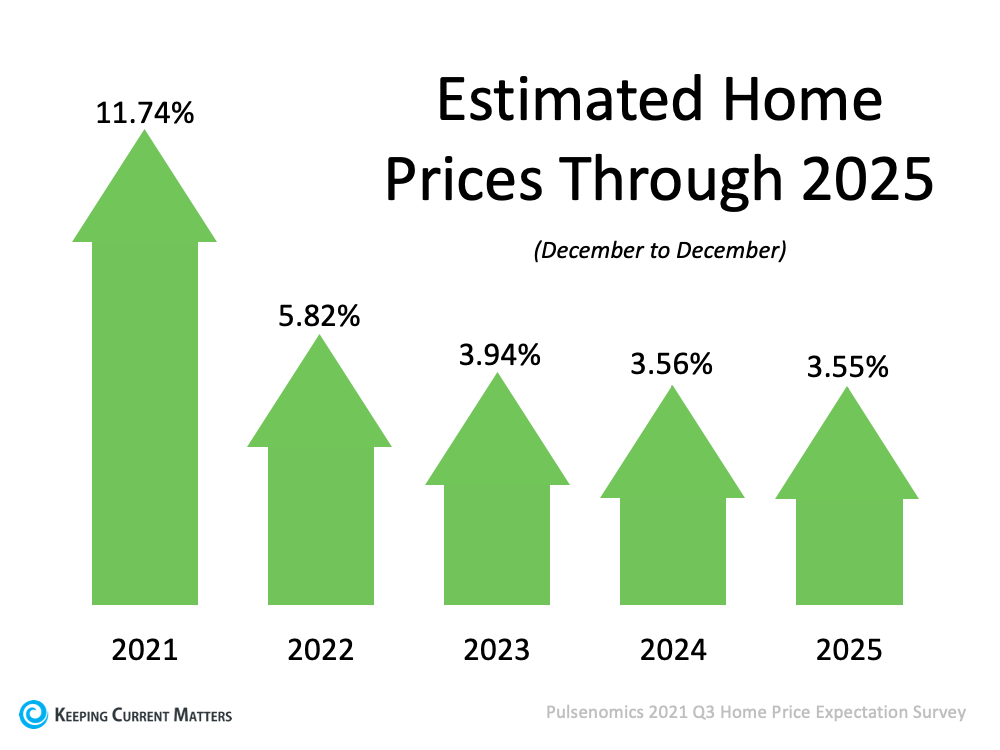
It’s important to note home prices have increased, or appreciated, for 114 straight months. To find out if that trend may continue, look to the experts. Pulsenomics surveyed over 100 economists, investment strategists, and housing market analysts asking for their five-year projections. In terms of what lies ahead, experts say the market may see some slight deceleration, but not depreciation.

Here’s the forecast for the next few years:What Does the Future Hold for Home Prices? | Keeping Current MattersAs the graph above shows, prices are expected to continue to rise, just not at the same pace we’ve seen over the last year. Over 100 experts agree, there is no expectation for price depreciation. As the arrows indicate, each number is an increase, which means prices will rise each year.

Bill McBride, author of the blog Calculated Risk, also expects deceleration, but not depreciation:

“My sense is the Case-Shiller National annual growth rate of 19.7% is probably close to a peak, and that year-over-year price increases will slow later this year.”

Ivy Zelman of Zelman & Associates agrees, saying:

“. . . home price appreciation is on the cusp of flipping to a decelerating trend.”

recent article from realtor.com indicates you should expect:

“. . . annual price increases will slow to a more normal level, . . .”

What Does This Deceleration Mean for You?

What experts are projecting for the years ahead is more in line with the historical norm for appreciation. According to data from Black Knight, the average annual appreciation from 1995-2020 is 4.1%. As you can see from the chart above, the expert forecasts are closer to that pace, which means you should see appreciation at a level that’s aligned with a more normal year.

If you’re a buyer, don’t expect a sudden or drastic drop in home prices – experts say it won’t happen. Instead, think about your homeownership goals and consider purchasing a home before prices rise further.

If you’re a seller, the continued home price appreciation is good news for the value of your house. Work with an agent to list your house for the right price based on market conditions.

Bottom Line

Experts expect price deceleration, not price depreciation over the coming years. Talk to a local real estate professional to understand what’s happening in the housing market today, where things are headed, and what it means for you.

Friday, October 8, 2021

Is It Time To Move on to a New Home?

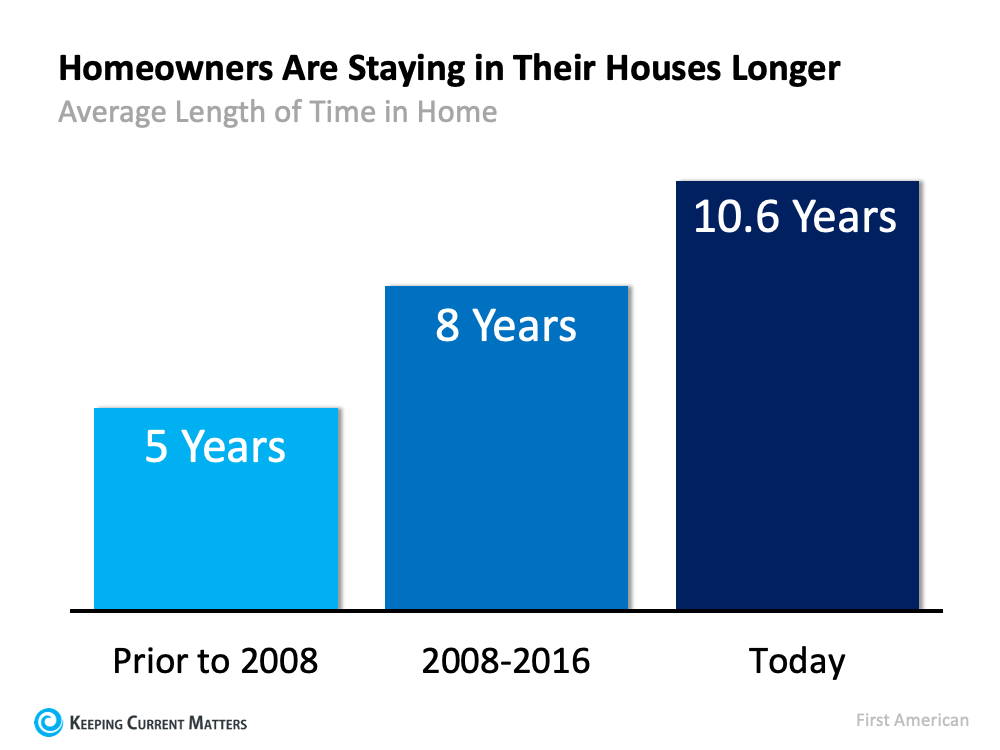
 If you’ve been in your home for longer than five years, you’re not alone. According to recent data from First American, homeowners are staying put much longer than historical averages (see graph below):

Is It Time To Move on to a New Home? | Keeping Current MattersAs the graph shows, before 2008, homeowners sold their houses after an average of just five years. Today, that number has more than doubled to over 10 years. The housing industry refers to this as your tenure.

To really explore tenure, it’s important to understand what drives people to make a move. An article from The Balance explores some of the primary reasons individuals choose to sell their houses. It says:

“People who move for home-related reasons might need a larger home or a house that better fits their needs, . . . Financial reasons for moving include wanting a nicer home, moving to a newer home to avoid making repairs on the old one, or cashing in on existing equity.”

If you’ve been in your home for longer than the norm, chances are you’re putting off addressing one, if not several, of the reasons other individuals choose to move. If this sounds like you, here are a few things to consider:

If your needs have changed, it may be time to re-evaluate your home.

As the past year has shown, our needs can change rapidly. That means the longer you’ve been in your home, the more likely it is your needs have evolved. The Balance notes several personal factors that could lead to your home no longer meeting your needs, including relationship and job changes.

For example, many workers recently found out they’ll be working remotely indefinitely. If that’s the case for you, you may need more space for a dedicated home office. Other homeowners choose to sell because the number of people living under their roof changes. Now more than ever, we’re spending more and more time at home. As you do, consider if your home really delivers on what you need moving forward.

It’s often financially beneficial to sell your house and move.

One of the biggest benefits of homeownership is the equity your home builds over time. If you’ve been in your house for several years, you may not realize how much equity you have. According to the latest Homeowner Equity Report from CoreLogic, homeowners gained an average of $33,400 in equity over the past year.

That equity, plus today’s low mortgage rates, can fuel a major upgrade when you sell your home and purchase a new one. Or, if you’re looking to downsize, your equity can help provide a larger down payment and lower your monthly payments over the life of your next loan. No matter what, there are significant financial benefits to selling in today’s market.

Bottom Line

If you’ve been in your home for 5-10 years or more, now might be the time to explore your options. Today’s low rates and your built-up equity could provide you with the opportunity to address your evolving needs. Reach out to a real estate professional today if you feel it’s time to sell.

Wednesday, October 6, 2021

What Do Supply and Demand Tell Us About Today's Housing Market?


There’s a well-known economic theory – the law of supply and demand – that explains what’s happening with prices in the current real estate market. Put simply, when demand for an item is high, prices rise. When the supply of the item increases, prices fall. Of course, when demand is very high and supply is very low, prices can rise significantly.

Understanding the impact both supply and demand have can provide the answers to a few popular questions about today’s housing market:

  • Why are prices rising?
  • Where are prices headed?
  • What does this mean for homebuyers?

Why Are Prices Rising?

According to the latest Home Price Insights report from CoreLogic, home prices have risen 18.1% since this time last year. But what’s driving the increase?

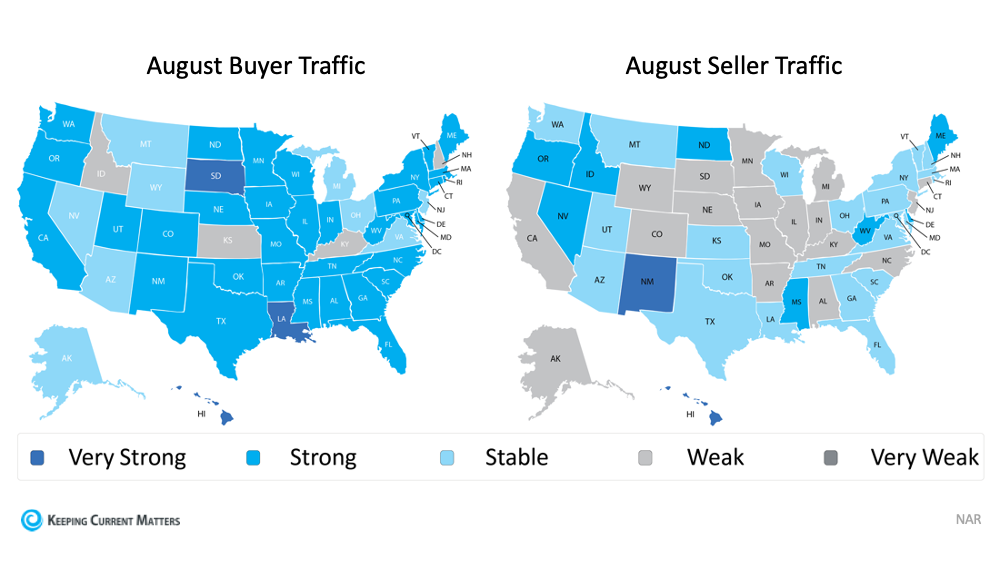
Recent buyer and seller activity data from the National Association of Realtors (NAR) helps answer that question. When we take NAR’s buyer activity data and compare it to the seller traffic during the same timeframe, we can see buyer demand continues to outpace seller activity by a wide margin. In other words, the demand for homes is significantly greater than the current supply that’s available to buy (see maps below):What Do Supply and Demand Tell Us About Today’s Housing Market? | Keeping Current MattersThis combination of low supply and high demand is what’s driving home prices up. Bill McBride, author of the Calculated Risk blog, puts it best, saying:

“By some measures, house prices seem high, but the recent price increases make sense from a supply and demand perspective.

Where Are Prices Headed?

The supply of homes for sale will greatly affect where prices head over the coming months. Many experts forecast prices will continue to increase, but they’ll likely appreciate at a slower rate.

Buyers hoping to purchase the home of their dreams may see this as welcome news. In this case, perspective is important: a slight moderation of home prices does not mean prices will depreciate or fall. Price increases may occur at a slower pace, but experts still expect them to rise.

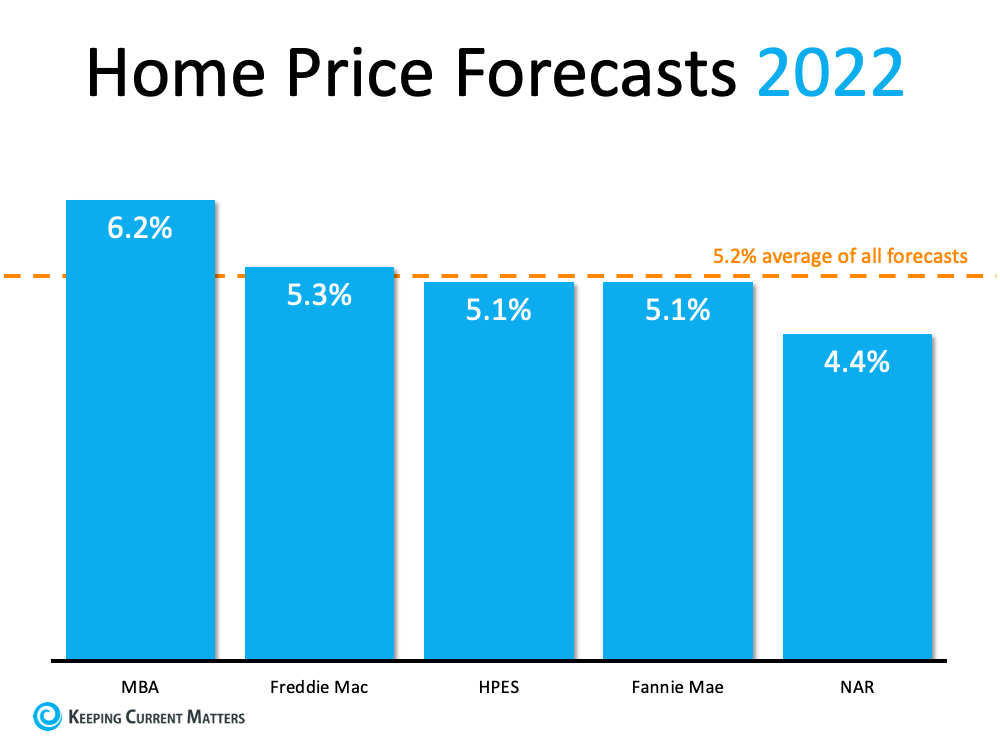
Five major entities that closely follow the real estate market forecast home prices will continue appreciating through 2022 (see graph below):What Do Supply and Demand Tell Us About Today’s Housing Market? | Keeping Current Matters

What Does This Mean for Homebuyers?

If you’re waiting to enter the market because you’re expecting prices to drop, you may end up paying more in the long run. Even if price increases occur at a slower rate next year, prices are still projected to rise. That means the home of your dreams will likely cost even more in 2022.

Bottom Line

The truth is, high demand and low supply are what’s driving up home prices in today’s housing market. And while prices may increase at a slower pace in the coming months, experts still expect them to rise. If you’re a potential homebuyer, connect with a trusted real estate advisor today to discuss what that could mean for you if you wait even longer to buy.