Saturday, July 31, 2021

3 Charts That Show This Isn't a Housing Bubble

 With home prices continuing to deliver double-digit increases, some are concerned we’re in a housing bubble like the one in 2006. However, a closer look at the market data indicates this is nothing like 2006 for three major reasons.

1. The housing market isn’t driven by risky mortgage loans.

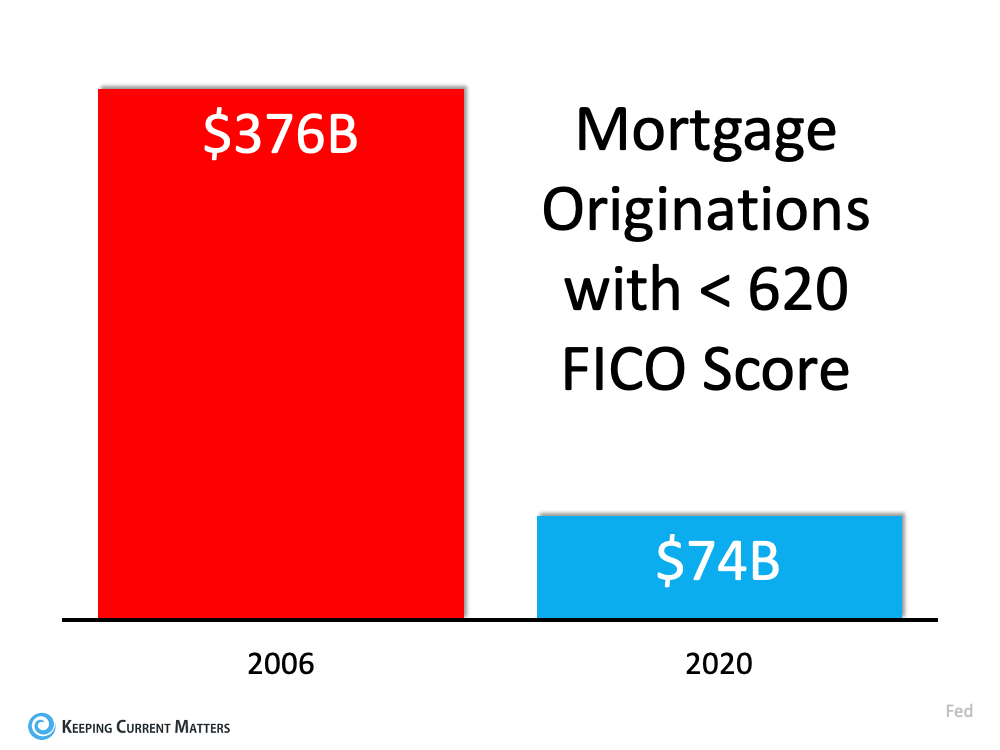
Back in 2006, nearly everyone could qualify for a loan. The Mortgage Credit Availability Index (MCAI) from the Mortgage Bankers’ Association is an indicator of the availability of mortgage money. The higher the index, the easier it is to obtain a mortgage. The MCAI more than doubled from 2004 (378) to 2006 (869). Today, the index stands at 130. As an example of the difference between today and 2006, let’s look at the volume of mortgages that originated when a buyer had less than a 620 credit score.3 Charts That Show This Isn’t a Housing Bubble | Keeping Current MattersDr. Frank Nothaft, Chief Economist for CoreLogic, reiterates this point:
“There are marked differences in today’s run up in prices compared to 2005, which was a bubble fueled by risky loans and lenient underwriting. Today, loans with high-risk features are absent and mortgage underwriting is prudent.”

2. Homeowners aren’t using their homes as ATMs this time.

During the housing bubble, as prices skyrocketed, people were refinancing their homes and pulling out large sums of cash. As prices began to fall, that caused many to spiral into a negative equity situation (where their mortgage was higher than the value of the house).

Today, homeowners are letting their equity build. Tappable equity is the amount available for homeowners to access before hitting a maximum 80% combined loan-to-value ratio (thus still leaving them with at least 20% equity). In 2006, that number was $4.6 billion. Today, that number stands at over $8 billion.

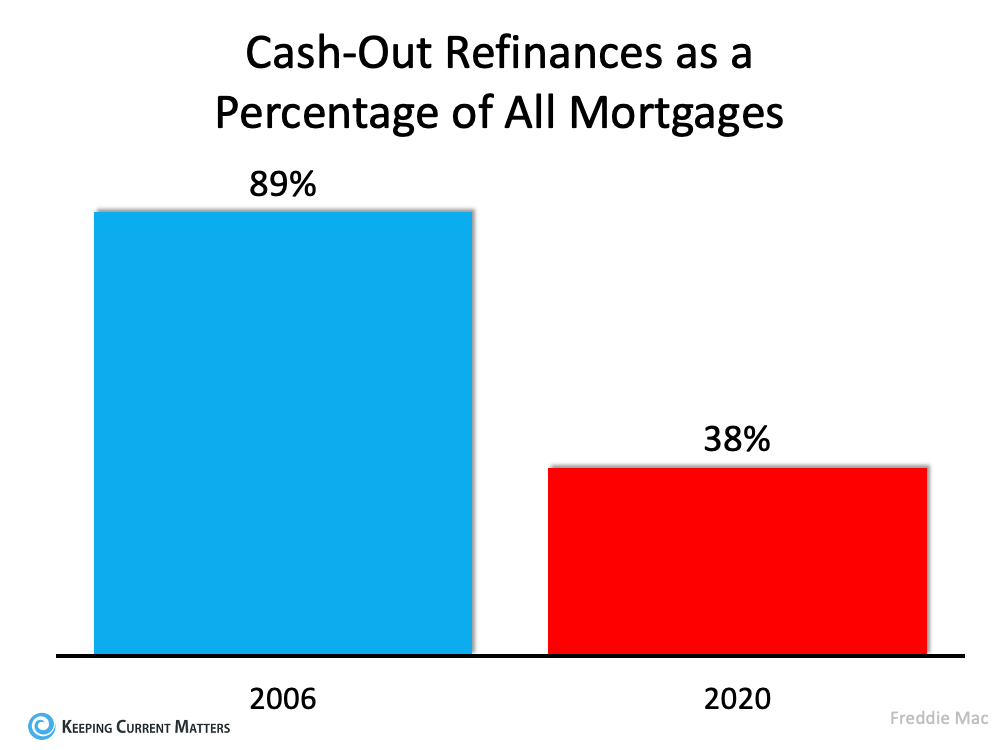
Yet, the percentage of cash-out refinances (where the homeowner takes out at least 5% more than their original mortgage amount) is half of what it was in 2006.3 Charts That Show This Isn’t a Housing Bubble | Keeping Current Matters
3. This time, it’s simply a matter of supply and demand.

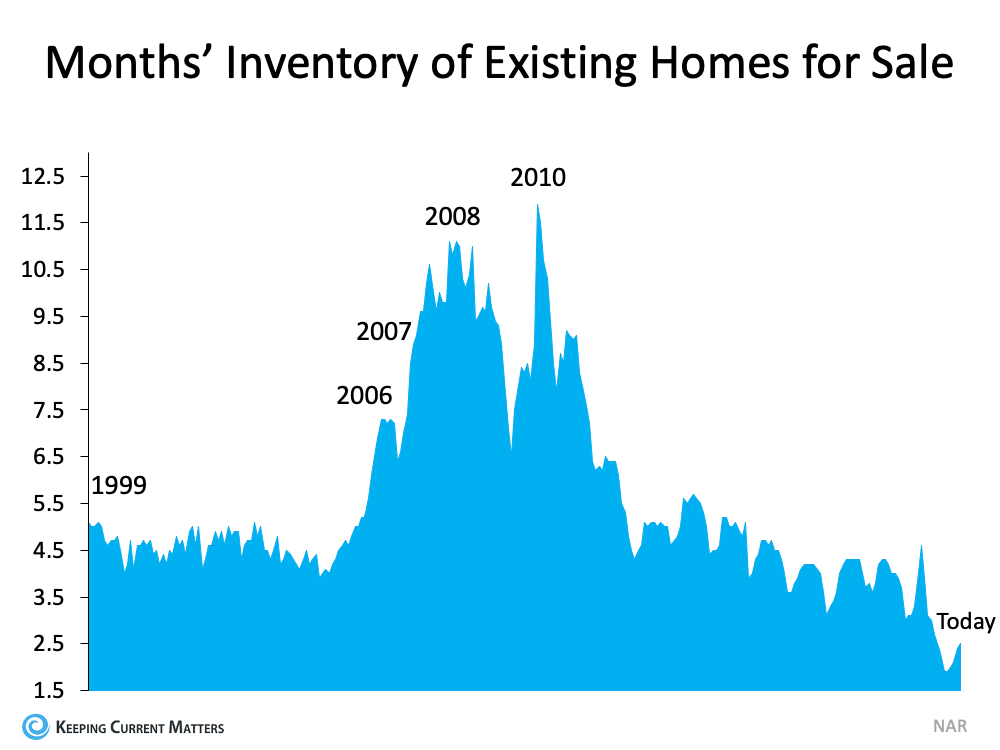
FOMO (the Fear Of Missing Out) dominated the housing market leading up to the 2006 housing bubble and drove up buyer demand. Back then, housing supply more than kept up as many homeowners put their houses on the market, as evidenced by the over seven months’ supply of existing housing inventory available for sale in 2006. Today, that number is barely two months.

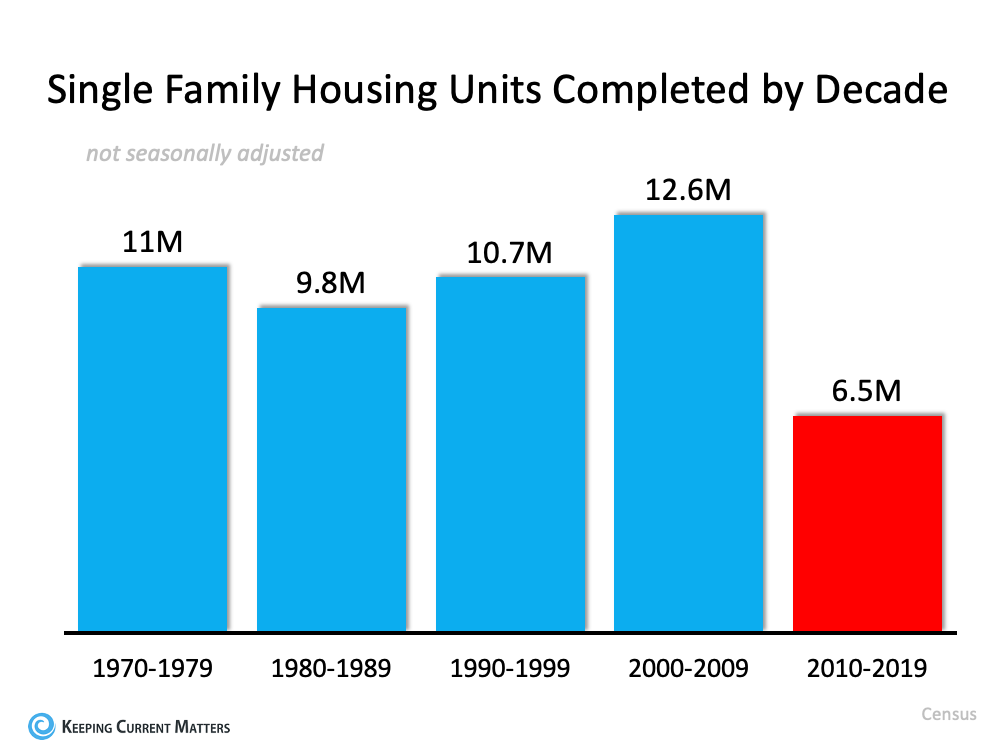
Builders also overbuilt during the bubble but pulled back significantly over the next decade. Sam Khater, VP and Chief Economist, Economic & Housing Research at Freddie Macexplains that pullback is the major factor in the lack of available inventory today:

“The main driver of the housing shortfall has been the long-term decline in the construction of single-family homes.”

Here’s a chart that quantifies Khater’s remarks:3 Charts That Show This Isn’t a Housing Bubble | Keeping Current MattersToday, there are simply not enough homes to keep up with current demand.
Bottom Line

This market is nothing like the run-up to 2006. Bill McBride, the author of the prestigious Calculated Risk blog, predicted the last housing bubble and crash. This is what he has to say about today’s housing market:

“It’s not clear at all to me that things are going to slow down significantly in the near future. In 2005, I had a strong sense that the hot market would turn and that, when it turned, things would get very ugly. Today, I don’t have that sense at all, because all of the fundamentals are there. Demand will be high for a while because Millennials need houses. Prices will keep rising for a while because inventory is so low.”

Wednesday, July 28, 2021

3 Hot Topics in the Housing Market Right Now

 If you’re a prospective buyer or seller, it’s important to understand the current real estate market conditions and how they affect you. The Counselors of Real Estate (CRE) just released its Top Ten Issues Affecting Real Estate report. Here are three hot topics from the list and how they impact today’s housing market.

Technology Acceleration and Innovation

The past year ushered in many changes to the real estate industry, especially when it comes to technology. The CRE report elaborates on this:

“Lockdown-driven changes in our work, in the economy, in social structures, and in our personal behavior have pushed our reluctance aside. The acceleration and adoption of technology during the pandemic has impacted everything, and real estate is no exception.

For real estate, innovations like digital documentation, virtual tours, and video chat enable agents to connect with clients no matter their location. These options are ideal for prospective buyers and sellers who aren’t local to the area or those that need the added flexibility signing documents online or doing virtual tours provide. That’s why many trusted real estate advisors will continue to use these technologies moving forward to best serve their clients.

Remote Work and Mobility

Working from home became the reality for many individuals during the pandemic, and the latest list from the CRE identified remote work and mobility as an important influence on the real estate market. As the report notes:

the pandemic universally caused a movement away from urban cores, particularly for those with higher incomes who could afford to move and for lower-income individuals seeking lower costs of living. Most of these relocations remained within their original region—84%—and, while some are returning, it is unknown as to the permanence of these movements or whether they represent a true urban exodus.

With the added mobility remote work offers, where people are moving and where they can ultimately purchase a home is less dependent on a physical office location. This newfound flexibility is giving remote workers the opportunity to move to more affordable areas and buy more home for their money.

Housing Supply and Affordability

Finally, the limited supply of houses for sale and the related affordability challenges also makes CRE’s list of key factors this year:

“According to the National Association of Realtors®, the state of America’s housing inventory is dire, with a chronic shortage of affordable and available homes needed to support the nation’s population.”

There is good news. Homes are still more affordable than they have been historically thanks to today’s low mortgage rates. And while housing supply is still low, we’re seeing steady increases in the number of homes coming to market, which gives hope to homebuyers. As the supply of homes for sale improves, buyers will have more options.

Bottom Line

New technology, remote work, housing supply, and home affordability are key factors in the housing market right now for both buyers and sellers. Connect with your trusted real estate advisor to better understand how these topics can impact the buying and selling process for you.

Friday, July 23, 2021

Why This Isn't Your Typical Summer Housing Market

 In real estate, it’s normal to see ebbs and flows in the market. Typically, the summer months are slower-paced than the traditionally busy spring. But this isn’t a typical summer. As the economy rebounds and life is returning to normal, the real estate market is expected to have an unusually strong summer season.

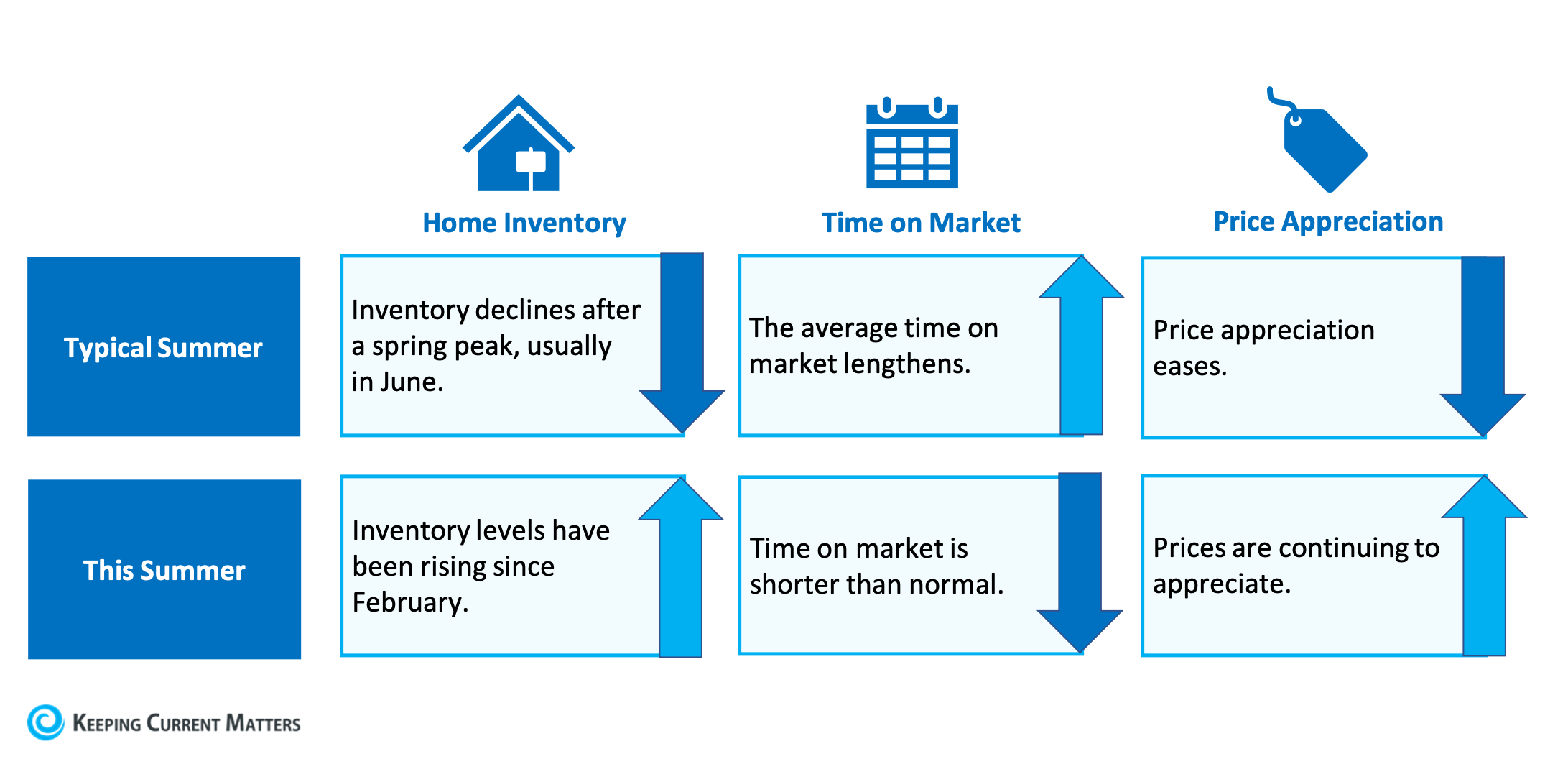
Here’s how this summer is stacking up against the norm and what it means for you.Why This Isn’t Your Typical Summer Housing Market | Keeping Current Matters

Inventory is increasing.

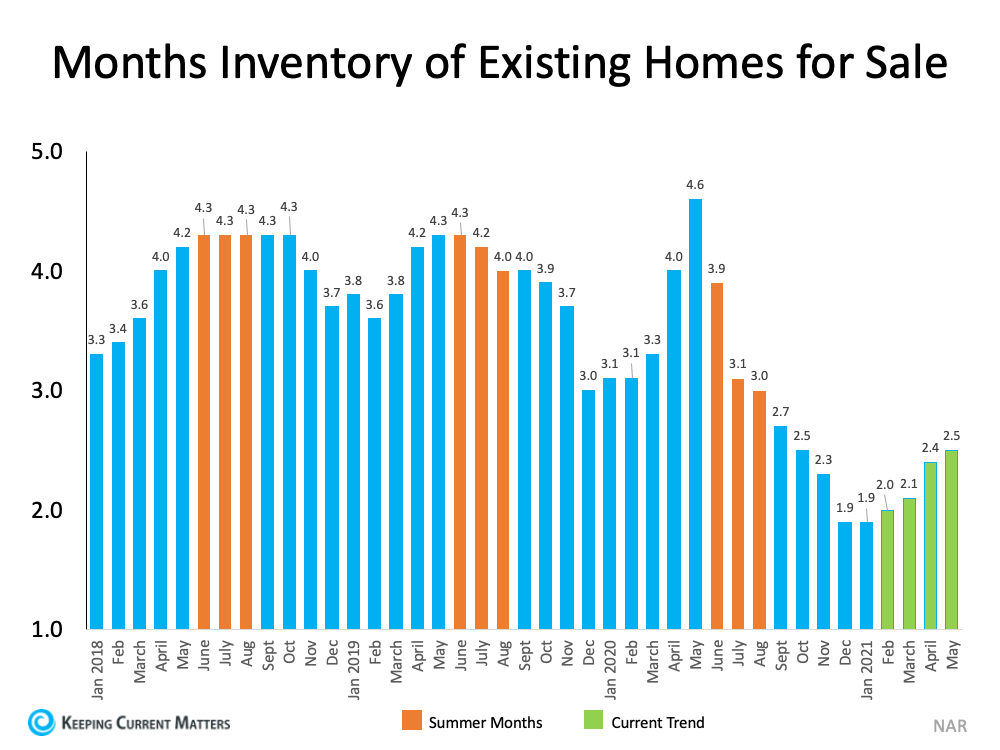
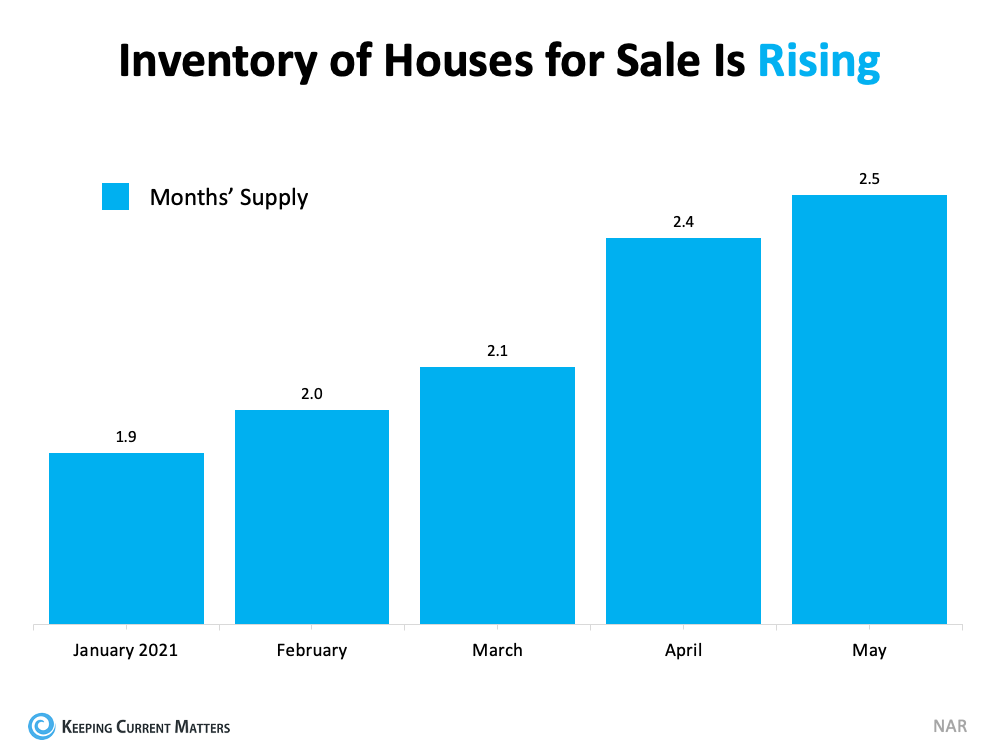
According to the latest Existing Home Sales Report from the National Association of Realtors (NAR), inventory levels have been rising since February of this year. Looking at the graph below, there’s a clear upward trend, as shown in the green bars. Currently, there’s roughly a 2.5 months’ supply of homes for sale. And while inventory is trending up as more houses are coming to the market, it’s still much lower than several of the previous summers, as the orange bars indicate.Why This Isn’t Your Typical Summer Housing Market | Keeping Current MattersIf you’re looking to buy, some relief is on the way in the form of more homes coming to the market. Just remember, we still have less inventory than the norm, so be patient in your search.

If you’re thinking of selling, now is the time. Work with your agent to list your house before it has more competition on the market.

Time on the market is still shorter than normal.

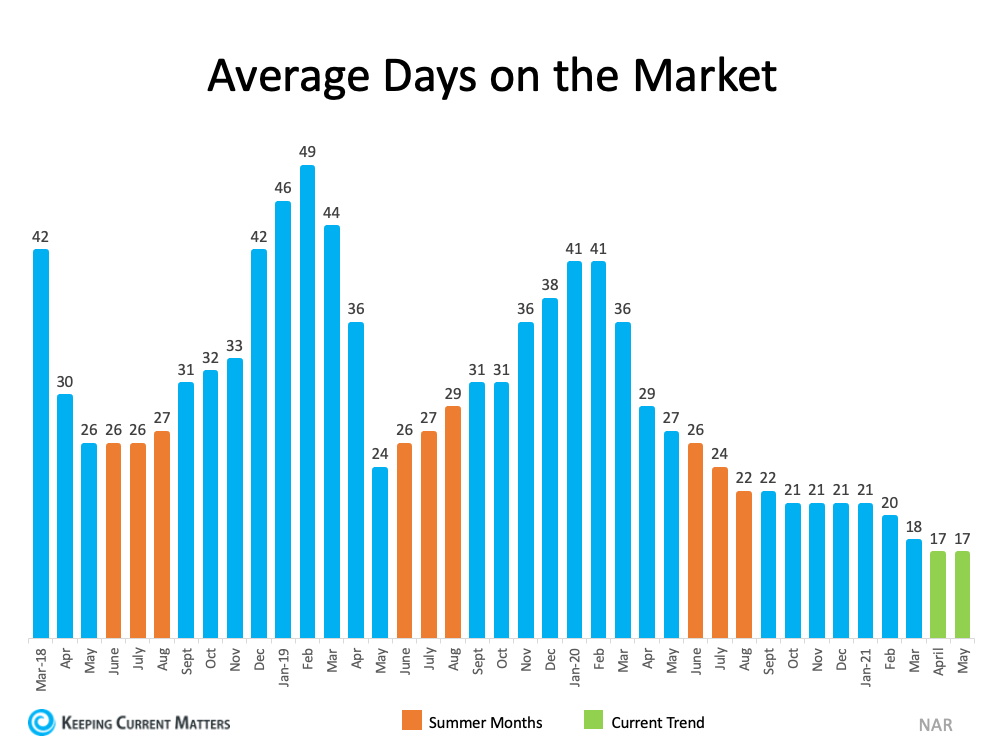
Unlike the typical summer trend, time on the market is moving at the fastest speed we’ve seen since NAR started collecting this survey-based information in 2011. The most recent Realtors Confidence Index shows that the average home is on the market for just 17 days, as shown in green in the graph below. This means houses are selling at a much faster pace than a typical summer, which the orange bars represent.Why This Isn’t Your Typical Summer Housing Market | Keeping Current Matters

If you’re looking to buy, this means you need to be prepared to move fast. Brace for a quick pace and rely on your agent to stay in the know on the available homes in your area.

If you’re thinking of selling, data shows your house will likely sell quickly. If you’re worried about where you’ll go once your house sells, consider a newly built home as a good way to move up.

Price appreciation is still rising.

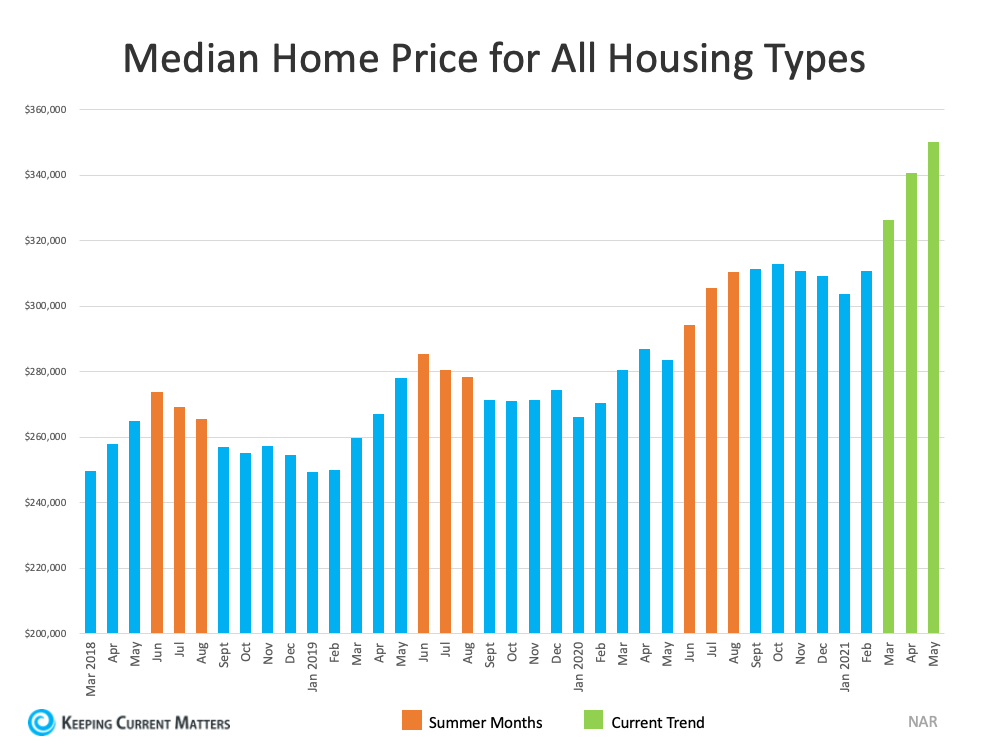
The last big factor making this an unusually strong market this summer is home price appreciation. According to the State House Price Index from the Federal Housing Finance Agency (FHFA), we’re currently experiencing double-digit house price appreciation and have an average of 12.6% appreciation across the country. The graph below uses data from NAR to show a more granular view of how prices have changed month-to-month over the past few years. The green bars show the current price appreciation we’re experiencing today. Our current levels are well above what we’ve seen in recent summers, shown by the orange bars.Why This Isn’t Your Typical Summer Housing Market | Keeping Current MattersIf you’re looking to buy, competition and bidding wars are driving prices up. Getting pre-approved can show the seller you’re serious and help you know what you can afford. Once you do, work with your agent to make a strong offer that stands out.
If you’re thinking of selling, seize this opportunity to use your additional equity from this price appreciation to power your next move.

Bottom Line

This isn’t a typical summer. Whether you’re buying or selling, rely on your agent for expert advice on how to capitalize on today’s market conditions to sell your house or find your dream home.

Wednesday, July 21, 2021

Housing Supply Is Rising. What Does That Mean for You?

 An important factor in today’s market is the number of homes for sale. While inventory levels continue to sit near historic lows, there are indications we may have hit the lowest point we’ll see. Odeta Kushi, Deputy Chief Economist at First American, recently said of our supply challenges:

It looks like inventory may have hit a bottom (we’ve seen this in the higher frequency data as well). Unsold inventory in May was at 2.5 months supply, up from 2.4.

To put it into perspective, the graph below shows levels of inventory rising since the beginning of the year:Housing Supply Is Rising. What Does That Mean for You? | Keeping Current MattersWe’re still not close to a balanced market, which would be a 6 months’ supply of homes for sale. However, we are seeing a slow but steady increase in homes coming up for sale. And that leaves many buyers and sellers wondering the same thing: what does that mean for me?

Buyers: More Options Are Arriving, so It’s Time To Act

If you’re a buyer, more inventory coming to market is a welcome sight. More supply means more options and less competition, which could mean fewer bidding wars.

According to the latest Monthly Housing Market Trends Report, supply levels are continuing to increase, which is different from the typical summer market:

“In June, newly listed homes grew by 5.5% on a year-over-year basis, and by 10.9% on a month-over-month basis. Typically, fewer newly listed homes appear on the market in the month of June compared to May. This year, growth in new listings is continuing later into the summer season, a welcome sign for a tight housing market.

If you’re having trouble finding your next home, this news should give you the hope and motivation to keep your buying process moving forward. Experts project mortgage rates will begin increasing, which will make purchasing a home less affordable as time passes. You can still capitalize on today’s low interest rates, so stick with your search as more homes come to market.

Sellers: Our Supply Challenges Aren’t Over Yet, so Now Is the Time To Sell

If you’ve been putting off selling your house, you shouldn’t wait much longer. The year’s month-over-month gains in homes for sale have helped buyers, but we’re still very much in a sellers’ market.

As the graph below shows, even with the number of homes for sale rising, we’re still well below the supply levels we’ve seen historically:Housing Supply Is Rising. What Does That Mean for You? | Keeping Current MattersOf course, more homes are coming to market now, and more are expected in the coming months. Selling your house this summer gives you the chance to get ahead of the competition and maximize your sales potential before more homes are put up for sale in your neighborhood.

Bottom Line

More homes for sale means more options for buyers and more competition for sellers. Whether you’re looking to buy or sell, connect with your trusted real estate advisor today to discuss your options and why it’s still a good time to make your move.

Monday, July 19, 2021

Buying a Home Is Still Affordable

 The last year has put emphasis on the importance of one’s home. As a result, some renters are making the jump into homeownership while some homeowners are re-evaluating their current house and considering a move to one that better fits their current lifestyle. Understanding how housing affordability works and the main market factors that impact it may help those who are ready to buy a home narrow down the optimal window of time in which to make a purchase.

There are three main factors that go into determining how affordable homes are for buyers:

  1. Mortgage Rates
  2. Mortgage Payments as a Percentage of Income
  3. Home Prices

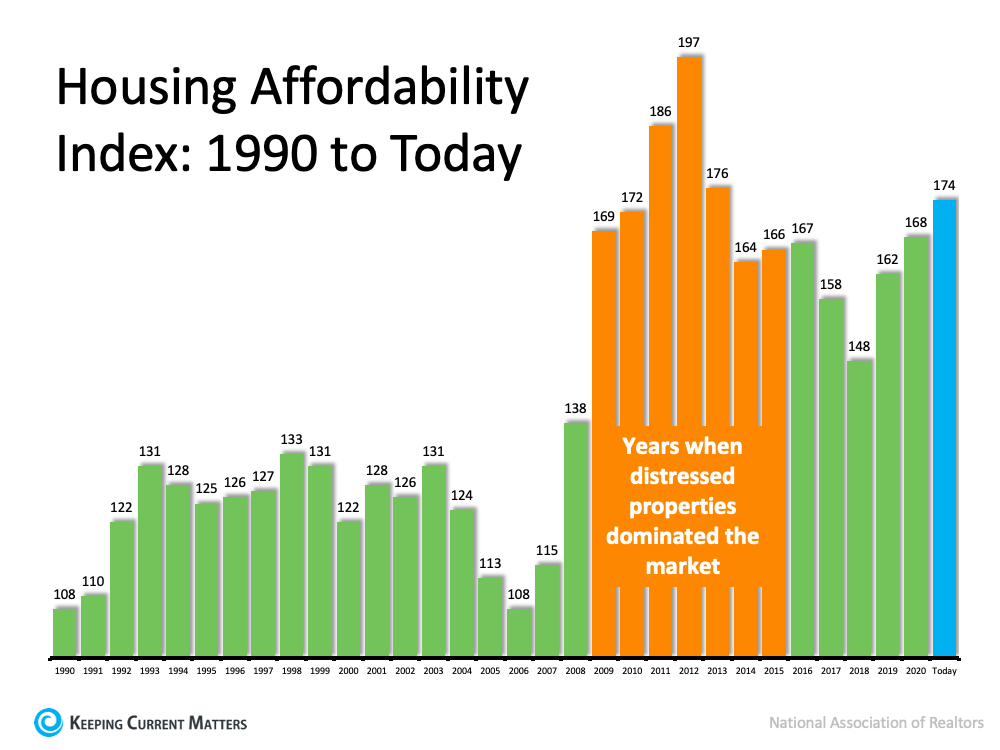
The National Association of Realtors (NAR) produces a Housing Affordability Index. It takes these three factors into account and determines an overall affordability score for housing. According to NAR, the index:

“…measures whether or not a typical family earns enough income to qualify for a mortgage loan on a typical home at the national and regional levels based on the most recent price and income data.”

Their methodology states:

“To interpret the indices, a value of 100 means that a family with the median income has exactly enough income to qualify for a mortgage on a median-priced home. An index above 100 signifies that family earning the median income has more than enough income to qualify for a mortgage loan on a median-priced home, assuming a 20 percent down payment.”

So, the higher the index, the more affordable it is to purchase a home. Here’s a graph of the index going back to 1990:Buying a Home Is Still Affordable | Keeping Current MattersThe blue bar represents today’s affordability. We can see that homes are more affordable now than they’ve been at any point since the housing crash when distressed properties (foreclosures and short sales) dominated the market. Those properties were sold at large discounts not seen before in the housing market for almost one hundred years.

Why are homes so affordable today?

Although there are three factors that drive the overall equation, the one that’s playing the largest part in today’s homebuying affordability is historically low mortgage rates. Based on this primary factor, we can see that it’s more affordable to buy a home today than at any time in the last eight years.

If you’re considering purchasing your first home or moving up to the one you’ve always hoped for, it’s important to understand how affordability plays into the overall cost of your home. With that in mind, buying while mortgage rates are as low as they are now may save you quite a bit of money over the life of your home loan.

Bottom Line

If you feel ready to buy, purchasing a home this summer may save you a significant amount of money over time based on historical affordability trends. Reach out to a local real estate professional today to determine if now is the right time for you to make your move.

Thursday, July 15, 2021

A Look at Home Price Appreciation Through 2025

 Home prices have increased significantly over the last year, which in turn has grown the net worth of homeowners. Appreciation and home equity are directly linked – as the value of a home increases, so does a homeowner’s equity. And with these recent gains, homeowners are witnessing their financial stability and well-being grow to record levels.

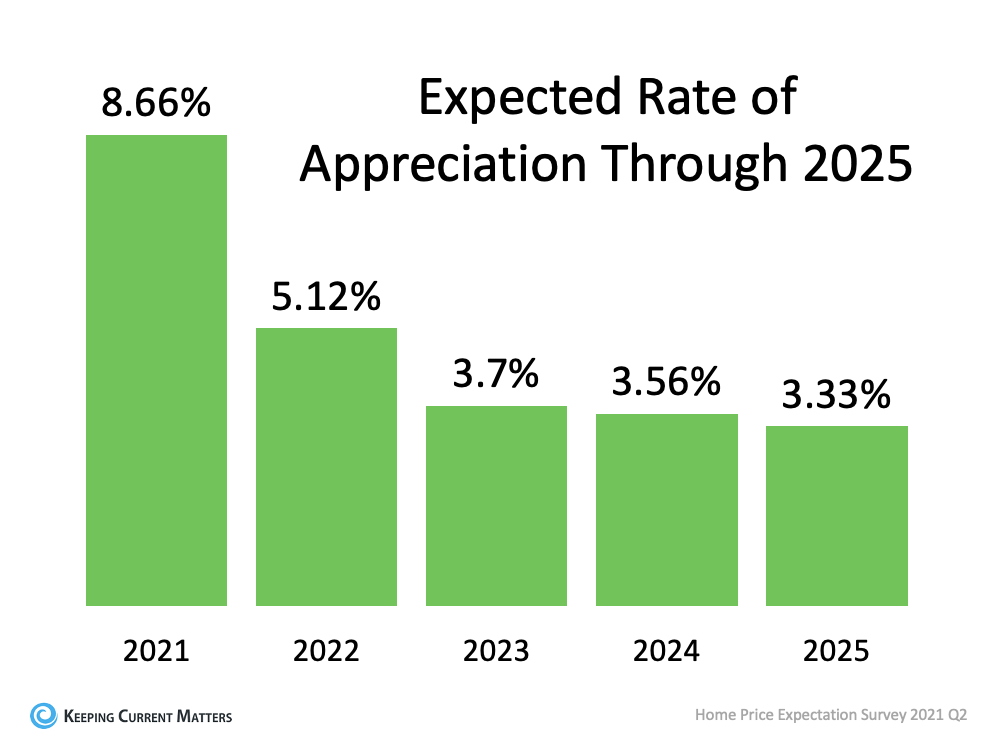
In more good news for homeowners, the most recent Home Price Expectations Survey – a survey of a national panel of over one hundred economists, real estate experts, and investment and market strategists – forecasts home prices will continue appreciating over the next five years, adding to the record amount of equity homeowners have already gained over the past year. Below are the expected year-over-year rates of home price appreciation from the report:A Look at Home Price Appreciation Through 2025 | Keeping Current Matters

What Does This Mean for Homeowners?

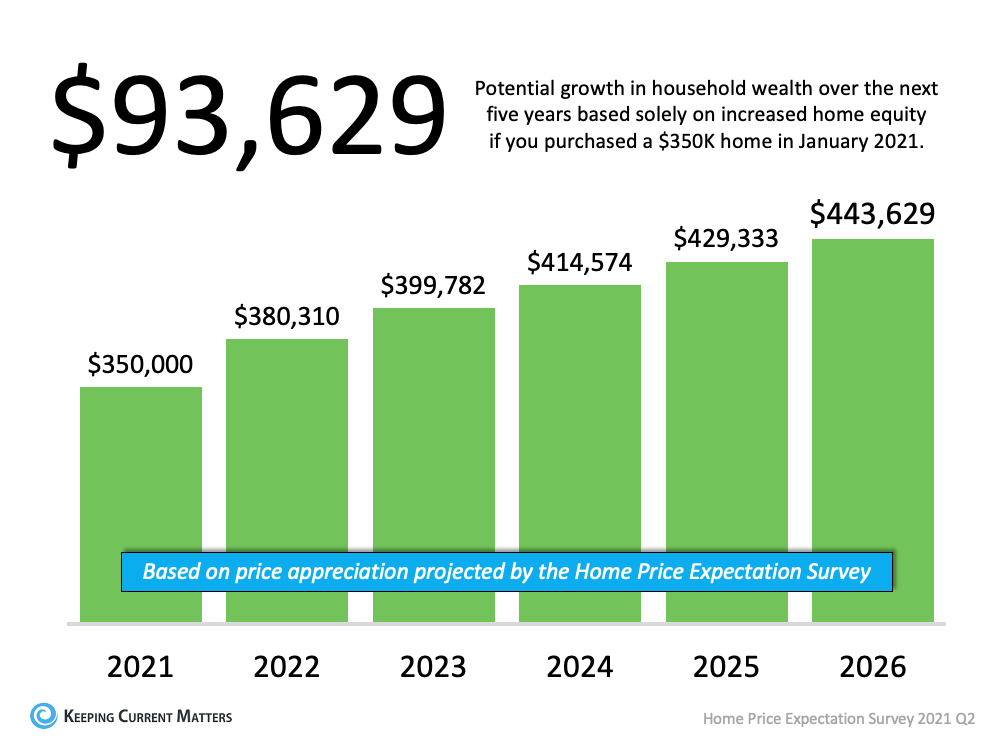
Home prices are climbing today, and the data in the survey indicates they’ll continue to increase, but at rates that approach a more normal pace. Even still, the amount of household wealth a homeowner stands to earn going forward is substantial. This truly becomes clear when we consider a scenario using a median-priced home purchased in January of 2021 and the projected rate of appreciation on that home over the next five years. As the graph below illustrates, a homeowner could increase their net worth by a significant amount – over $93,000 dollars by 2026.A Look at Home Price Appreciation Through 2025 | Keeping Current Matters

Home Price Appreciation and Home Equity

CoreLogic recently released their quarterly Homeowner Equity Insights Report, which tracks the year-over-year increases in equity. It shows an average annual gain of $33,400 per borrower over the past 12 months. In the report, Dr. Frank Nothaft, Chief Economist for CoreLogic, further explains:

Double-digit home price growth in the past year has bolstered home equity to a record amount. The national CoreLogic Home Price Index recorded an 11.4% rise in the year through March 2021, leading to a $216,000 increase in the average amount of equity held by homeowners with a mortgage.”

The expected, sustained growth of home prices means homeowners can continue to build on the past year’s record levels of home equity – and their financial prosperity. It also presents today’s homeowners with a unique opportunity: using their growing equity for a home upgrade. With so few homes available to purchase and strong buyer demand, there may not be a better time to sell your current house and move into one that better meets your needs.

Bottom Line

Home prices are expected to continue appreciating over the next five years, and the associated equity gains are the quickest way homeowners can build household wealth. If you’re a current homeowner who’s ready to take advantage of your built-up equity, contact a local real estate advisor to discuss your options.