

Saturday, February 25, 2017

Wednesday, February 22, 2017
The Impact of Homeownership on Educational Achievement
 The National Association of Realtors recently released a study titled 'Social Benefits of Homeownership and Stable Housing.’ The study confirmed a long-standing belief of most Americans: The National Association of Realtors recently released a study titled 'Social Benefits of Homeownership and Stable Housing.’ The study confirmed a long-standing belief of most Americans:“Owning a home embodies the promise of individual autonomy and is the aspiration of most American households. Homeownership allows households to accumulate wealth and social status, and is the basis for a number of positive social, economic, family and civic outcomes.”Today, we want to cover the section of the report that quoted several studies concentrating on the impact homeownership has on educational achievement. Here are some of the major findings on this issue revealed in the report:
Bottom LinePeople often talk about the financial benefits of homeownership. As we can see, there are also social benefits of owning your own home. *The next two Thursdays, we will report the study’s findings on the impact homeownership has on civic participation and a family’s health. |
Friday, February 17, 2017
How to Survive a Remodel
In a recent HomeAdvisor survey, more than half of respondents who reported completing a remodeling project with a spouse or domestic partner admitted to arguing with their partners during the process. In fact, 3 percent even considered separation or divorce!
Check out the infographic below to see what couples argue most about — and to get some expert advice to help keep your relationship from crumbling under the pressure.

Check out the infographic below to see what couples argue most about — and to get some expert advice to help keep your relationship from crumbling under the pressure.
Thursday, February 16, 2017

Wednesday, February 15, 2017
3 Questions to Ask If You Want to Buy Your Dream Home
 If you are debating purchasing a home right now, you are probably getting a lot of advice. Though your friends and family will have your best interest at heart, they may not be fully aware of your needs and what is currently happening in the real estate market. Ask yourself the following 3 questions to help determine if now is a good time for you to buy in today’s market.
1. Why am I buying a home in the first place?
This is truly the most important question to answer. Forget the finances for a minute. Why did you even begin to consider purchasing a home? For most, the reason has nothing to do with money. For example, a survey by Braun showed that over 75% of parents say “their child’s education is an important part of the search for a new home.” This survey supports a study by the Joint Center for Housing Studies at Harvard University which revealed that the top four reasons Americans buy a home have nothing to do with money. They are:- A good place to raise children and for them to get a good education
- A place where you and your family feel safe
- More space for you and your family
- Control of that space
2. Where are home values headed?
According to the latest Existing Home Sales Report from the National Association of Realtors (NAR), the median price of homes sold in December (the latest data available) was $232,200, up 4.0% from last year. This increase also marks the 58th consecutive month with year-over-year gains. If we look at the numbers year over year, CoreLogic forecasted a rise by 4.7% from December 2016 to December 2017. On a home that costs $250,000 today, that same home will cost you an additional $11,750 if you wait until next year.What does that mean to you?
Simply put, with prices increasing each month, it might cost you more if you wait until next year to buy. Your down payment will also need to be higher in order to account for the higher price of the home you wish to buy.3. Where are mortgage interest rates headed?
A buyer must be concerned about more than just prices. The ‘long-term cost’ of a home can be dramatically impacted by even a small increase in mortgage rates. The Mortgage Bankers Association (MBA), the National Association of Realtors, and Fannie Mae have all projected that mortgage interest rates will increase over the next twelve months, as you can see in the chart below: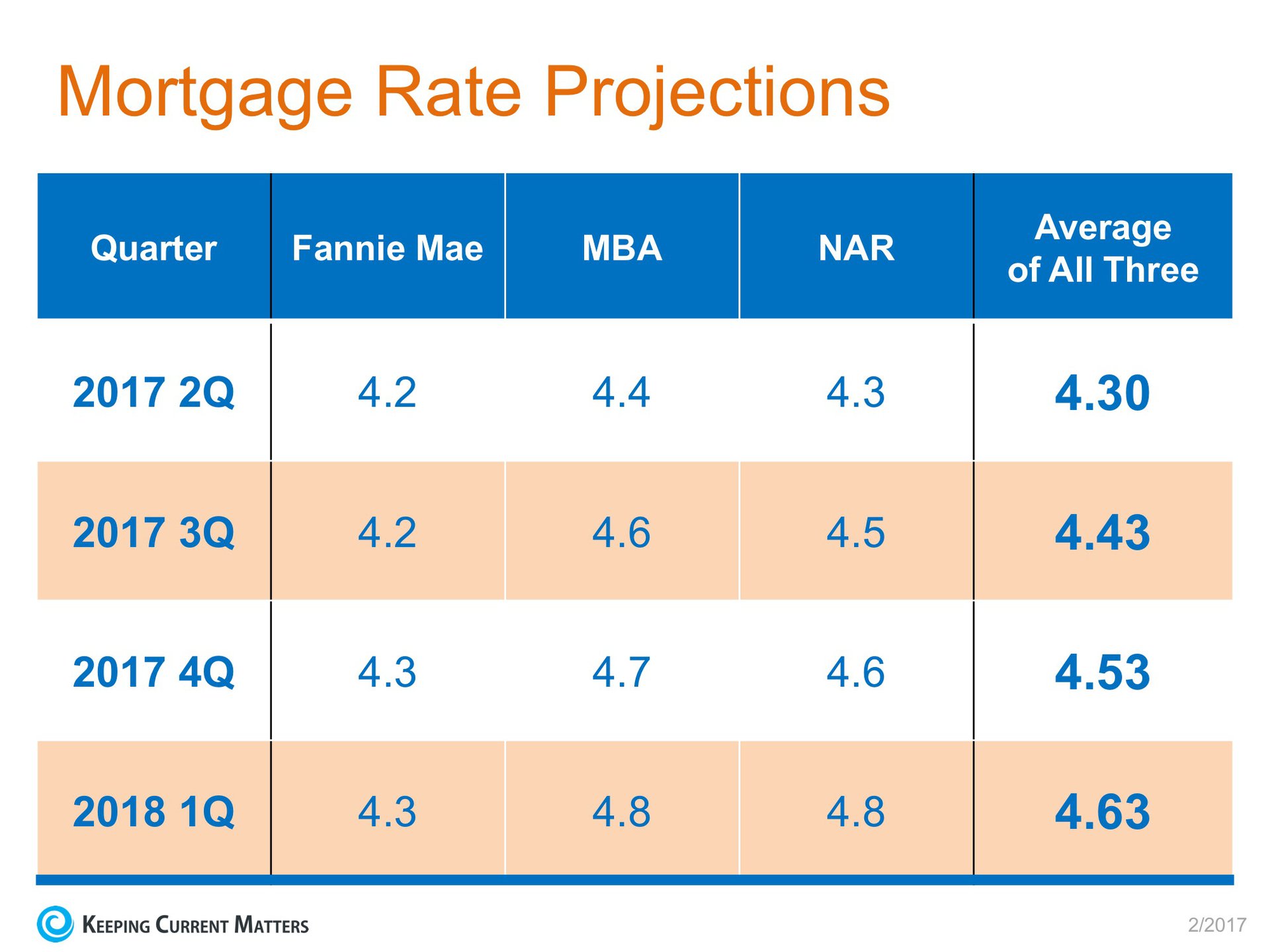
Bottom Line
Only you and your family will know for certain if now is the right time to purchase a home. Answering these questions will help you make that decision.Monday, February 13, 2017
Buyer Demand Is Outpacing the Supply of Homes for Sale
 The price of any item is determined by the supply of that item, as well as the market demand. The National Association of REALTORS (NAR) surveys “over 50,000 real estate practitioners about their expectations for home sales, prices and market conditions” for their monthly REALTORS Confidence Index. Their latest edition sheds some light on the relationship between Seller Traffic (supply) and Buyer Traffic (demand). The price of any item is determined by the supply of that item, as well as the market demand. The National Association of REALTORS (NAR) surveys “over 50,000 real estate practitioners about their expectations for home sales, prices and market conditions” for their monthly REALTORS Confidence Index. Their latest edition sheds some light on the relationship between Seller Traffic (supply) and Buyer Traffic (demand).Buyer DemandThe map below was created after asking the question: “How would you rate buyer traffic in your area?”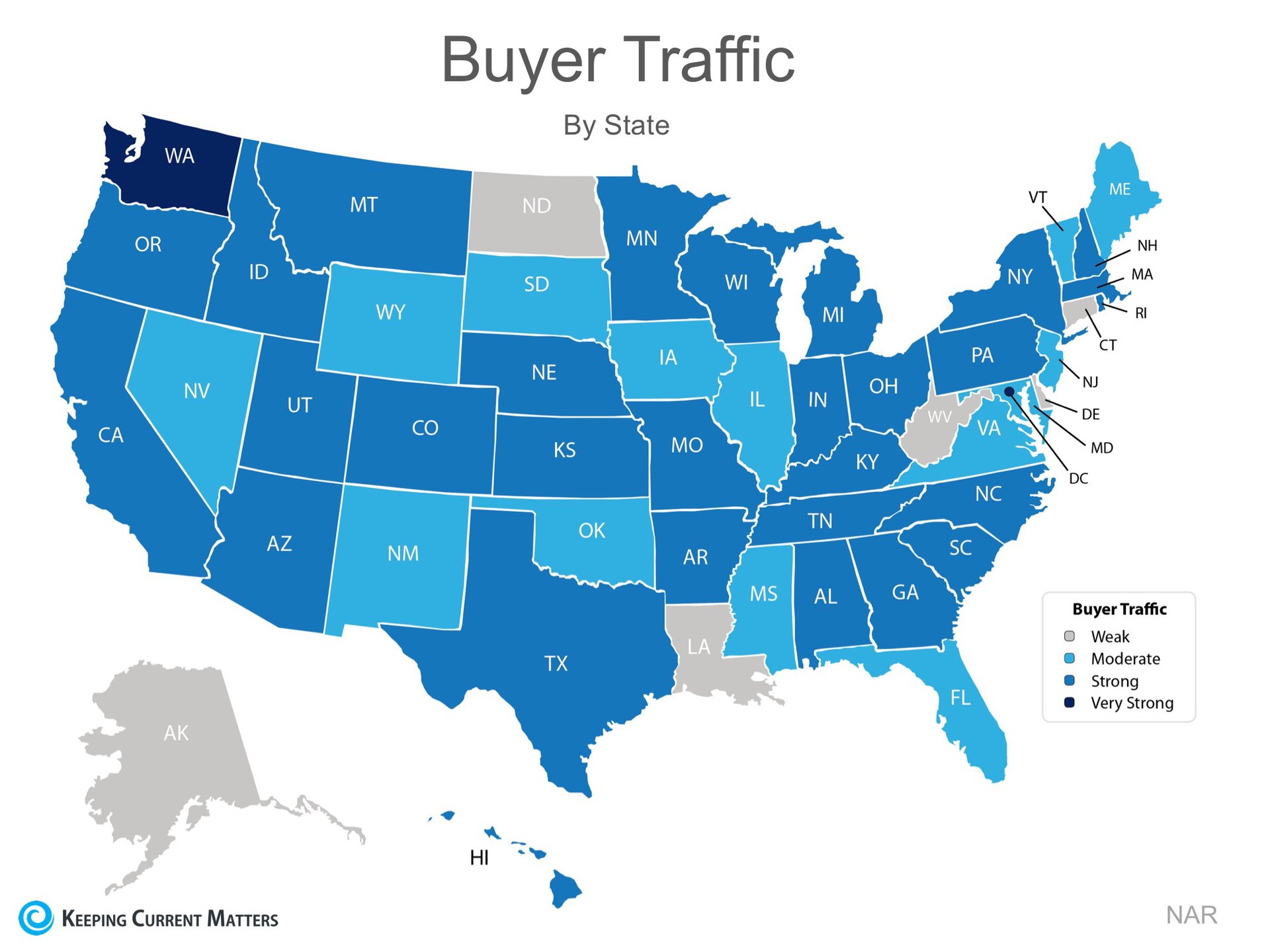 The darker the blue, the stronger the demand for homes in that area. Only six states had a weak demand level. The darker the blue, the stronger the demand for homes in that area. Only six states had a weak demand level.Seller SupplyThe Index also asked: “How would you rate seller traffic in your area?” As you can see from the map below, the majority of the country has weak Seller Traffic, meaning there are far fewer homes on the market than what is needed to satisfy the buyers who are out looking for their dream homes.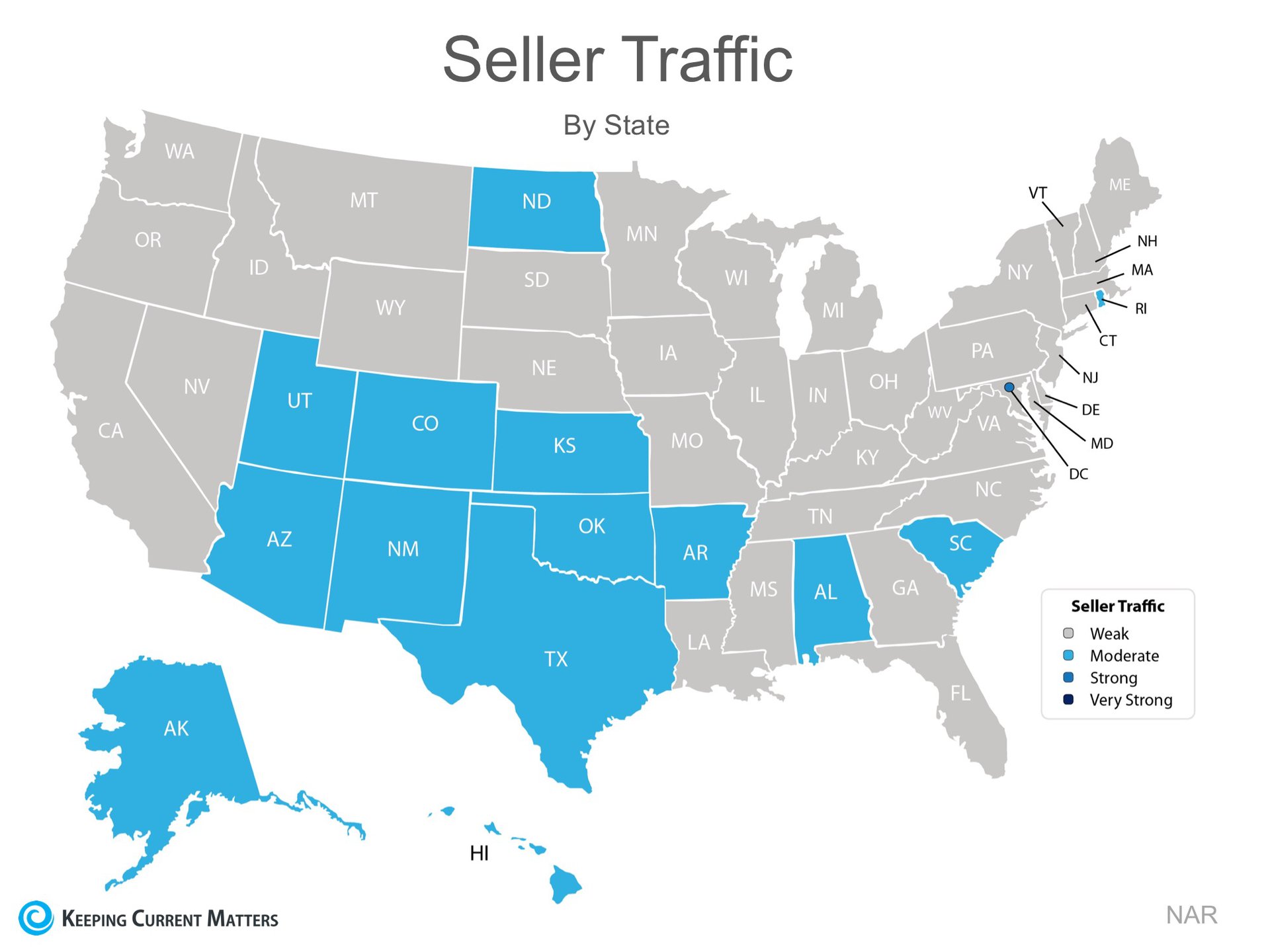 Bottom LineLooking at the maps above, it is not hard to see why prices are appreciating in many areas of the country. Until the supply of homes for sale starts to meet the buyer demand, prices will continue to increase. If you are debating listing your home for sale, meet with a local real estate professional in your area who can help you capitalize on the demand in the market now! |
Friday, February 10, 2017
![5 Reasons to Love Using A RE Pro [INFOGRAPHIC] | Keeping Current Matters](https://blogger.googleusercontent.com/img/proxy/AVvXsEjitYPbu6FWMZow3jF_TL-AI_6UooEkDnLXzrwI32ud5MV8GuTHt3uunyWm4KxsjFdOTxDTitqpKTdvXwr_7TDivdc8eyqoZqh6deVySZKpNj-JkF_skoZYEyptqPGzhmw-0ay1wpIno7cMnITl-buQfRxOfbnSqvHMIZCDIhteSFCcxjBb28rh0YJ4OUgELgV10TU68qjTXs8=s0-d-e1-ft)
Subscribe to:
Posts (Atom)