 When a homeowner decides to sell their house, they obviously want the best possible price with the least amount of hassles. However, for the vast majority of sellers, the most important result is to actually get the home sold. In order to accomplish all three goals, a seller should realize the importance of using a real estate professional. We realize that technology has changed the purchaser’s behavior during the home buying process. For the past three years, 92% of all buyers have used the internet in their home search according to the National Association of Realtors’ most recent Profile of Home Buyers & Sellers. However, the report also revealed that 95% percent of buyers that used the internet when searching for a home purchased their home through either a real estate agent/broker or from a builder or builder’s agent. Only 2% purchased their home directly from a seller whom the buyer didn’t know. Buyers search for a home online, but then depend on an agent to find the actual home they will buy (53%), or to negotiate the terms of the sale & price (48%), or to help understand the process (60%). The plethora of information now available has resulted in an increase in the percentage of buyers that reach out to real estate professionals to “connect the dots”. This is obvious, as the percentage of overall buyers who used an agent to buy their home has steadily increased from 69% in 2001.
Tuesday, March 22, 2016
The Importance of Hiring a Real Estate Professional
When a homeowner decides to sell their house, they obviously want the best possible price with the least amount of hassles. However, for the vast majority of sellers, the most important result is to actually get the home sold. In order to accomplish all three goals, a seller should realize the importance of using a real estate professional. We realize that technology has changed the purchaser’s behavior during the home buying process. For the past three years, 92% of all buyers have used the internet in their home search according to the National Association of Realtors’ most recent Profile of Home Buyers & Sellers. However, the report also revealed that 95% percent of buyers that used the internet when searching for a home purchased their home through either a real estate agent/broker or from a builder or builder’s agent. Only 2% purchased their home directly from a seller whom the buyer didn’t know. Buyers search for a home online, but then depend on an agent to find the actual home they will buy (53%), or to negotiate the terms of the sale & price (48%), or to help understand the process (60%). The plethora of information now available has resulted in an increase in the percentage of buyers that reach out to real estate professionals to “connect the dots”. This is obvious, as the percentage of overall buyers who used an agent to buy their home has steadily increased from 69% in 2001.
Wednesday, March 16, 2016

Monday, March 14, 2016
What If I Wait Until Next Year To Buy A Home?
|
Posted: 14 Mar 2016 04:00 AM PDT
 As a seller, you will be most concerned about ‘short term price’ – where home values are headed over the next six months. As either a first-time or repeat buyer, you must not be concerned only about price but also about the ‘long term cost’ of the home. As a seller, you will be most concerned about ‘short term price’ – where home values are headed over the next six months. As either a first-time or repeat buyer, you must not be concerned only about price but also about the ‘long term cost’ of the home.Let us explain.There are many factors that influence the ‘cost’ of a home. Two of the major ones are the home’s appreciation over time, and the interest rate at which a buyer can borrow the funds necessary to purchase their home. The rate at which these two factors can change is often referred to as “The Cost of Waiting”.What will happen over the next 12 months?According to CoreLogic’s latest Home Price Index, prices are expected to rise by 5.5% by this time next year. Additionally, Freddie Mac’s most recent Economic Commentary & Projections Table predicts that the 30-year fixed mortgage rate will appreciate to 4.5% in that same time.What Does This Mean to a Buyer?Here is a simple demonstration of what impact these projected changes would have on the mortgage payment of a home selling for approximately $250,000 today: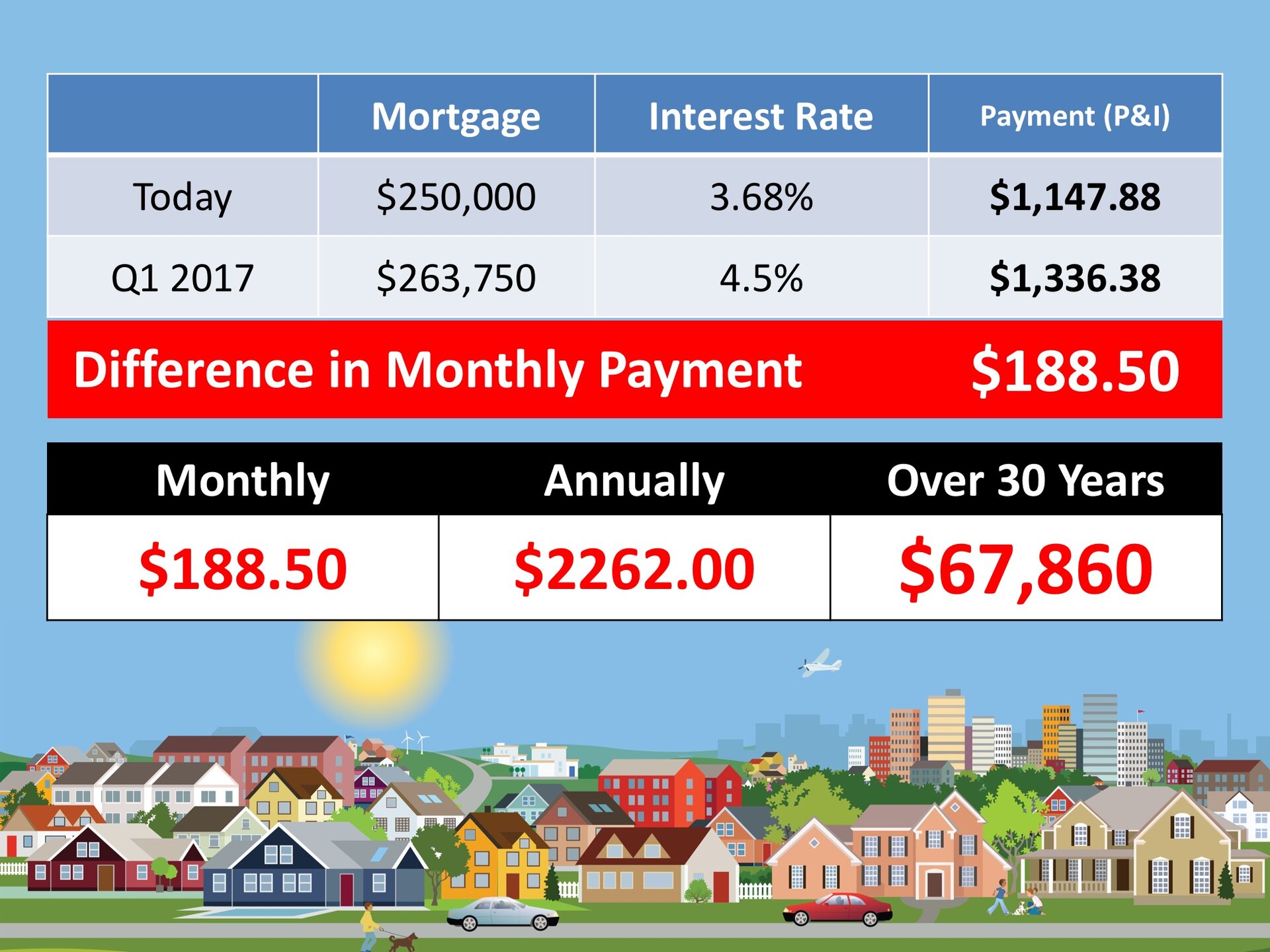 |
Friday, March 4, 2016
Home is Where the Heart Is
 Yesterday, we discussed the reasons why homeownership makes sense, financially. Today we wanted to touch on the emotional or ‘real’ reasons that many Americans strive to become homeowners. The Joint Center for Housing Studies at Harvard University performs a study every year surveying participants for the reasons that American’s feel are most important in regards to homeownership. The top 4 reasons to own a home cited by respondents were not financial.
1. It means having a good place to raise children & provide them with a good education
From the best neighborhoods to the best school districts, even those without children at the time of purchasing their home, may have this in the back of their mind as a major reason for choosing the location of the home that they purchase.2. You have a physical structure where you & your family feel safe
It is no surprise that having a place to call home with all that means in comfort and security is the #2 reason.3. It allows you to have more space for your family
Whether your family is expanding, or an older family member is moving in, having a home that fits your needs is a close third on the list.4. It gives you control over what you do with your living space, like renovations and updates
Looking to actually try one of those complicated wall treatments that you saw on Pinterest? Want to finally adopt that puppy or kitten you’ve seen online 100 times? Who’s to say that you can’t in your own home? The 5th reason on the list, is the #1 financial reason to buy a home as seen by respondents:5. Owning a home is a good way to build up wealth that can be passed along to my family
Either way you are paying a mortgage. Why not lock in your housing expense now with an investment that will build equity that you can borrow against in the future?Bottom Line
Whether you are a first time homebuyer or a move-up buyer who wants to start a new chapter in their life, now is a great time to reflect on the intangible factors that make a house a home.Friday, February 26, 2016
Interest rates at Historic Lows
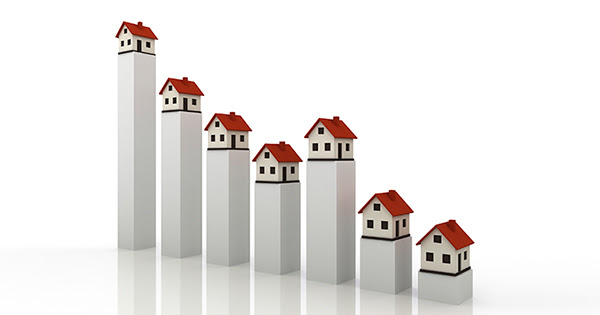 Just two weeks ago, we posted an article discussing where mortgage interest rates may be heading over the next twelve months. We quoted projections from Fannie Mae, Freddie Mac, the Mortgage Bankers’ Association and the National Association of Realtors. Each predicted that rates would begin to rise slowly and steadily throughout 2016. However, shaky economic news and a volatile stock market have actually caused rates to drop six out of the last seven weeks, and have remained at 3.65% for the past two weeks.
 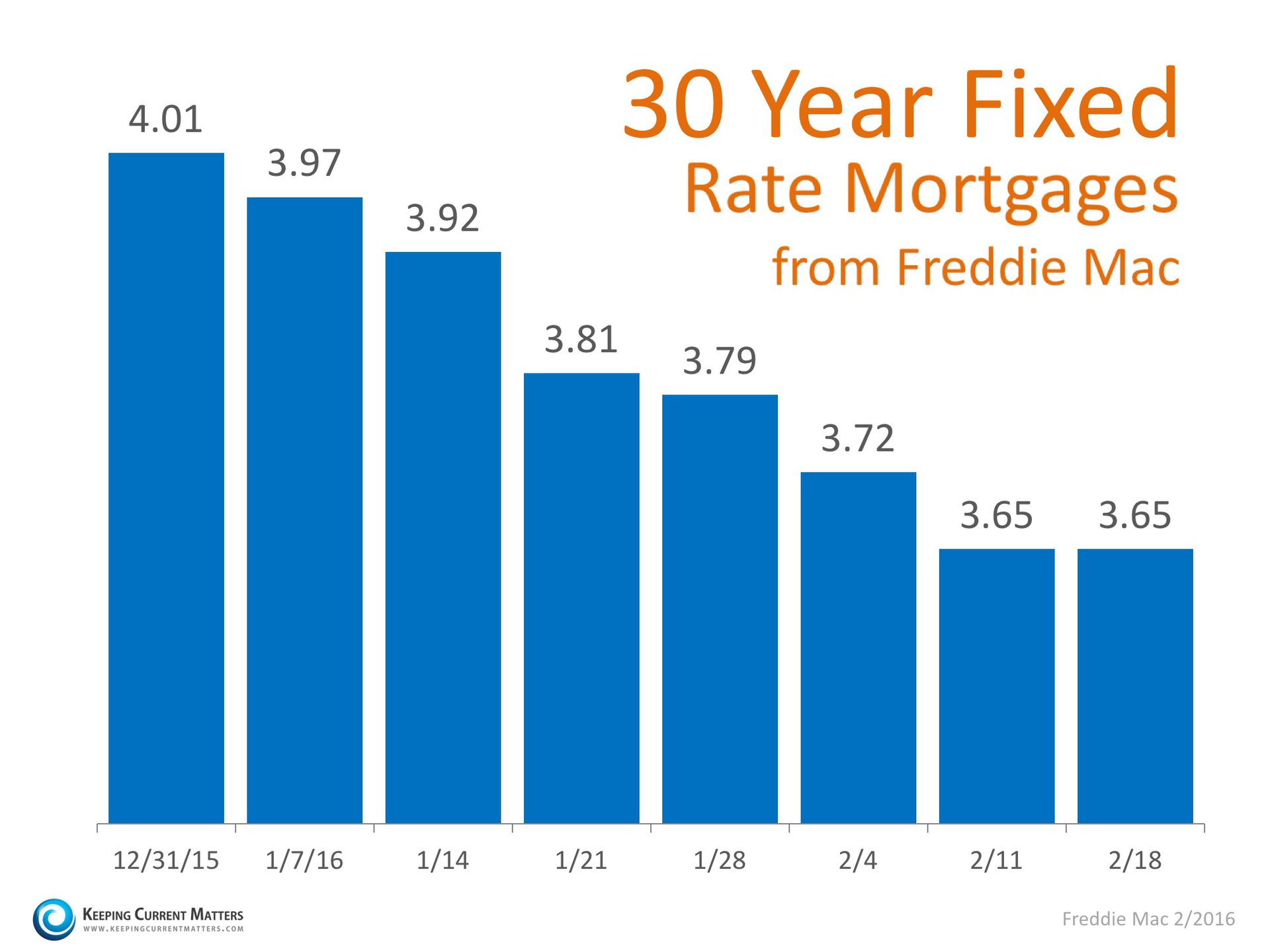 Rates have again fallen to historic lows yet many experts still expect them to increase in 2016. The only thing we know for sure is that, according to Freddie Mac, current rates are the best they have been since last April.
Bottom Line
If you are thinking of buying your first home or moving up to your ultimate dream home, now is a great time to get a sensational rate on your mortgage.Tuesday, February 23, 2016

Saturday, February 13, 2016

Subscribe to:
Posts (Atom)