

Tuesday, February 9, 2016

Saturday, February 6, 2016
What Do You Actually Need to Get a Mortgage?
 Fannie Mae recently released their “What do consumers know about the Mortgage Qualification Criteria?” Study. The study revealed that Americans are misinformed about what is required to qualify for a mortgage when purchasing a home. Here are three takeaways:
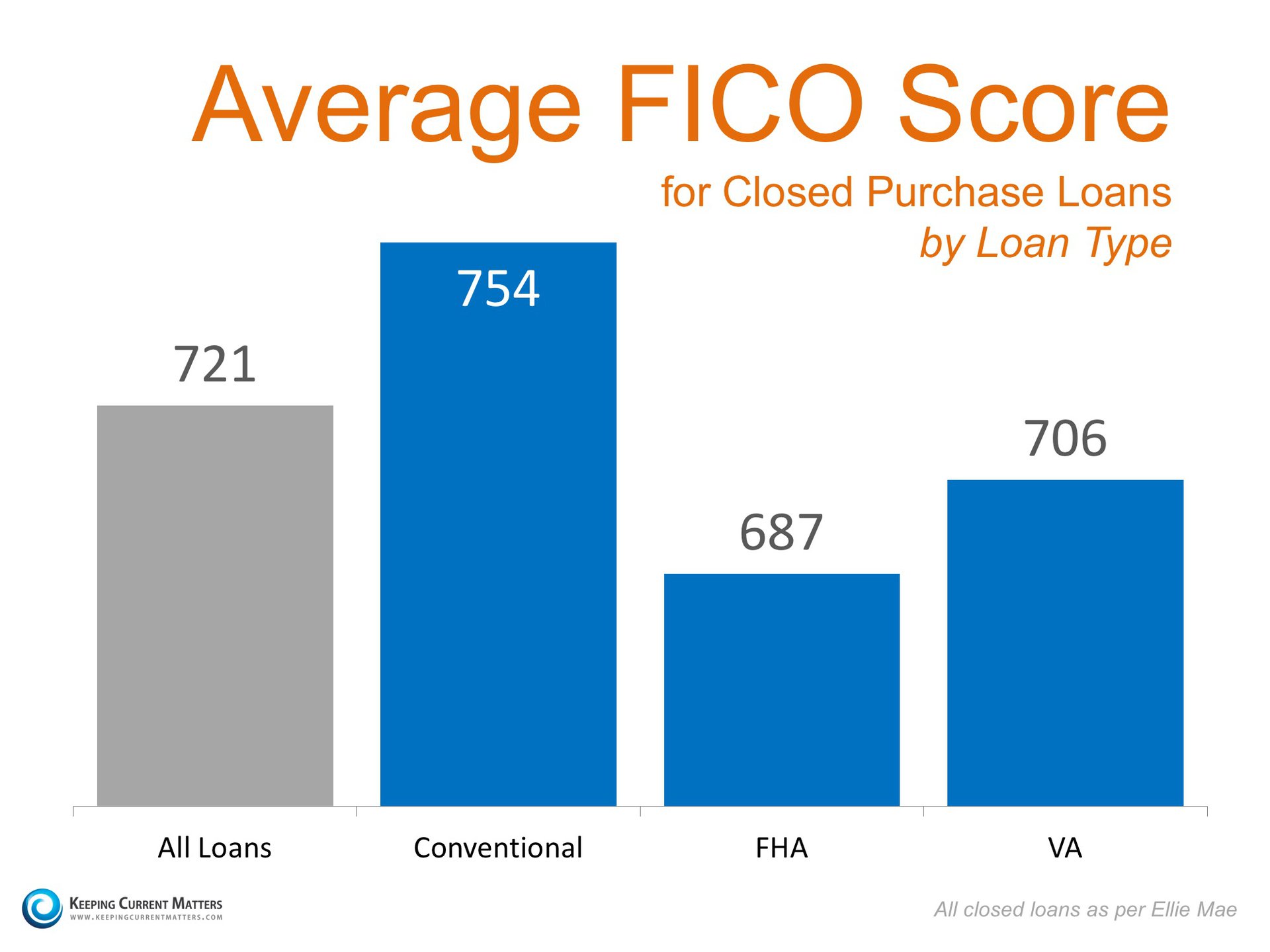
- 59% of Americans either don’t know (54%) or are misinformed (5%) about what FICO score is necessary
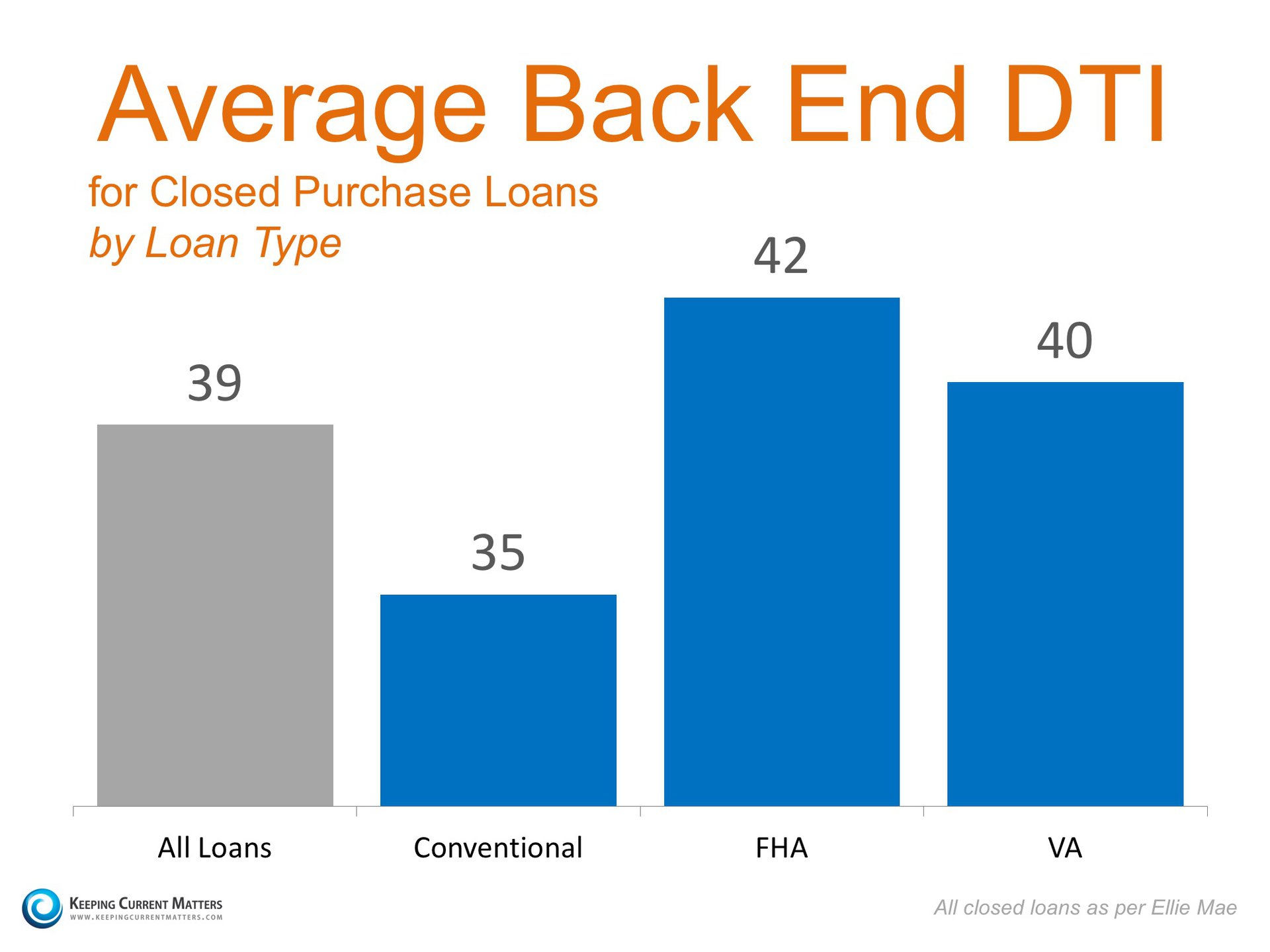
- 86% of Americans either don’t know (59%) or are misinformed (25%) about what an appropriate Back End Debt-to-Income (DTI) ratios is
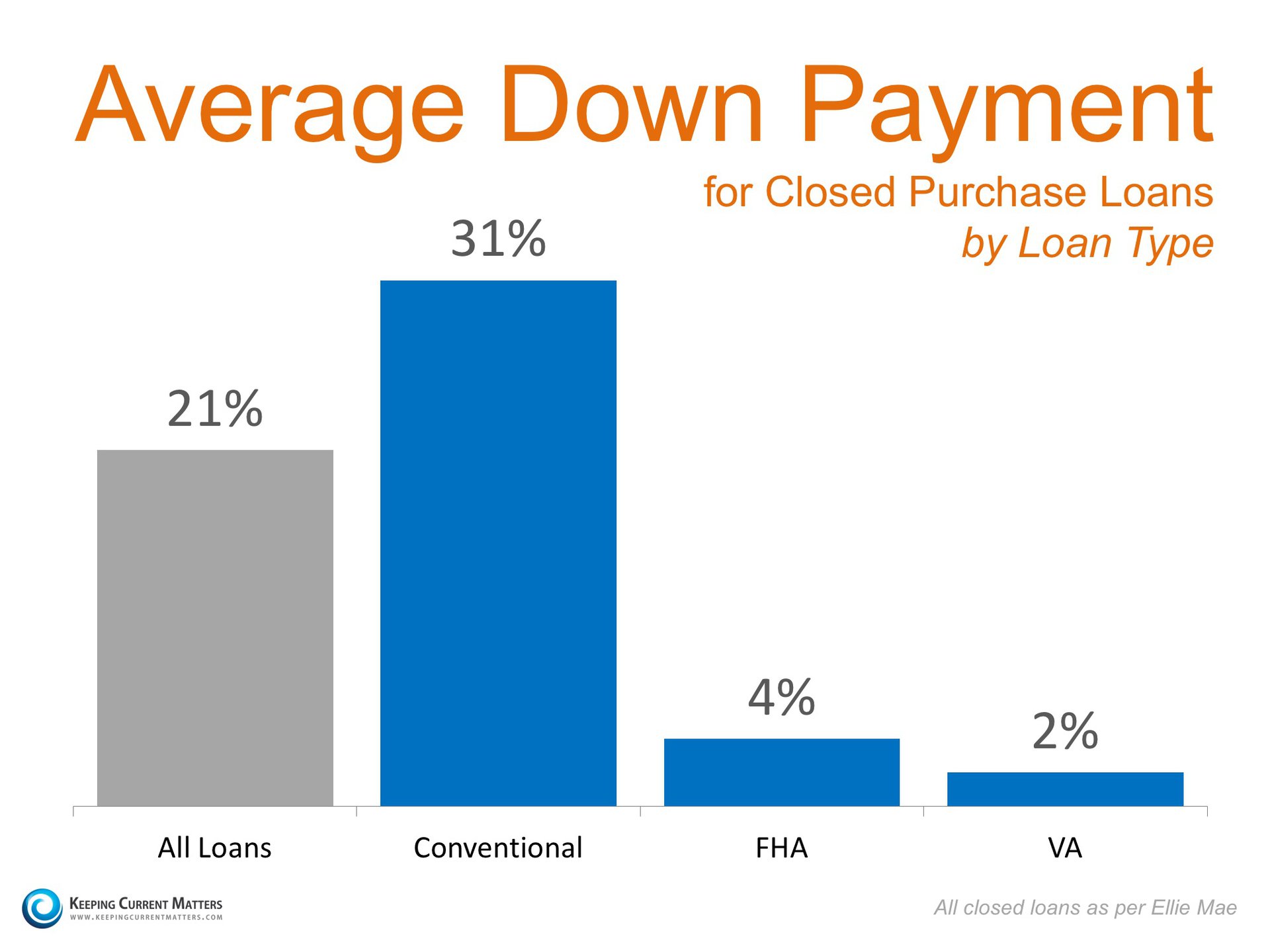
- 76% of Americans either don’t know (40%) or are misinformed (36%) about the minimum down payment required
FICO SCORES
BACK END DTI
DOWN PAYMENTS
Bottom Line
Whether buying your first home or moving up to your dream home, knowing your options will definitely make the mortgage process easier. Your dream home may already be within your reach.Thursday, February 4, 2016
Thinking of Buying? Selling? 5 Reasons You Need To Hire A Professsional
 Whether you are buying or selling a home, it can be quite an adventurous journey. You need an experienced Real Estate Professional to lead you to your ultimate goal. In this world of instant gratification and internet searches, many sellers think that they can For Sale by Owner or FSBO. The 5 Reasons You NEED a Real Estate Professional in your corner haven’t changed, but have rather been strengthened due to the projections of higher mortgage interest rates & home prices as the market continues to recover.
1. What do you do with all this paperwork?
Each state has different regulations regarding the contracts required for a successful sale, and these regulations are constantly changing. A true Real Estate Professional is an expert in their market and can guide you through the stacks of paperwork necessary to make your dream a reality.2. Ok, so you found your dream house, now what?
According to the Orlando Regional REALTOR Association, there are over 230 possible actions that need to take place during every successful real estate transaction. Don’t you want someone who has been there before, who knows what these actions are to make sure that you acquire your dream.3. Are you a good negotiator?
So maybe you’re not convinced that you need an agent to sell your home. However, after looking at the list of parties that you need to be prepared to negotiate with, you’ll realize the value in selecting a Real Estate Professional. From the buyer (who wants the best deal possible), to the home inspection companies, to the appraiser, there are at least 11 different people that you will have to be knowledgeable with and answer to, during the process.4. What is the home you’re buying/selling really worth?
It is important for your home to be priced correctly from the start to attract the right buyers and shorten the time that it’s on the market. You need someone who is not emotionally connected to your home to give you the truth as to your home’s value. According to the National Association of REALTORS, “the typical FSBO home sold for $210,000 compared to $245,000 among agent-assisted home sales.” Get the most out of your transaction by hiring a professional.5. Do you know what’s really going on in the market?
There is so much information out there on the news and the internet about home sales, prices, mortgage rates; how do you know what’s going on specifically in your area? Who do you turn to in order to competitively price your home correctly at the beginning of the selling process? How do you know what to offer on your dream home without paying too much, or offending the seller with a low-ball offer? Dave Ramsey, the financial guru advises:“When getting help with money, whether it’s insurance, real estate or investments, you should always look for someone with the heart of a teacher, not the heart of a salesman.”Hiring an agent who has their finger on the pulse of the market will make your buying/selling experience an educated one. You need someone who is going to tell you the truth, not just what they think you want to hear.
Bottom Line
You wouldn’t replace the engine in your car without a trusted mechanic. Why would you make one of your most important financial decisions of your life without hiring a Real Estate Professional?Sunday, January 31, 2016
Thinking of Selling? Why Now May Be The Time
 It is common knowledge that a large number of homes sell during the spring-buying season. For that reason, many homeowners hold off on putting their home on the market until then. The question is whether or not that will be a good strategy this year. The other listings that do come out in the spring will represent increased competition to any seller. Do a greater number of homes actually come to the market in the spring, as compared to the rest of the year? The National Association of Realtors (NAR) recently revealed which months most people listed their home in for 2015. Here is a graphic showing the results:
  The three months in the second quarter of the year (represented in red) are consistently the most popular months for sellers to list their homes on the market. Last year, the number of homes available for sale in January was 1,860,000.
That number spiked to 2,280,000 by May!
What does this mean to you?
With the national job situation improving, and mortgage interest rates projected to rise later in the year, buyers are not waiting until the spring. They are out looking for a home right now. If you are looking to sell this year, waiting until the spring to list your home means you will have the greatest competition for a buyer.Saturday, January 30, 2016

Countertops need to be tough and durable, especially in the kitchen. When you think of glass, however, tough and durable aren't usually the first attributes that come to mind. Though it might look phenomenal, it is difficult to imagine glass as being strong enough to withstand the rigorous life of an everyday kitchen.
Many modern countertops are made of stone (like granite), or synthetic materials that are petroleum based. Petroleum, as we are becoming ever more aware, is hardly eco-friendly. The quarrying practices used to obtain granite and the energy it takes to move the material from one place to another make it, to a smaller degree, a less than sustainable building material as well.
At this time, there are not as many options available that use recycled glass as there are ones that use new glass. This may change soon; as people's concerns about the environment increase, so does the demand for products that use recycled materials.
Though recycled glass countertops are not for everyone, that doesn't mean there aren't other ways to be environmentally aware when remodeling your kitchen. There are many recycled plastic counter coverings on the market that will have a totally different look, and most likely cost less. Some people are even making countertops out of bamboo, which grows quickly and is quite moisture resistant. In this day and age, it's time to get creative. Using salvaged material of any kind that would otherwise be thrown away is a good idea. There are craftsmen all around the country who can turn discarded wood or metal into something beautiful enough to eat on!
Thursday, January 28, 2016
5 Home Improvements that Pay Off—and 5 that Don’t
renovationFavorable economic conditions have long triggered investment in home improvements—more money, more upgrades—and progress on the housing front is set to spur the next wave of homeowner spending on both necessary and discretionary projects.
How should homeowners invest their remodeling dollars this year? By and large, homeowners can expect to reap the highest returns on projects that cost relatively less, according to REMODELING magazine’s 2016 Cost vs. Value Report.
On a national scale, the top five projects with the greatest return on investment (ROI) in the report’s “midrange” cost category are:
Attic Insulation (Fiberglass) (116.9% ROI)
Average Cost: $1,268
Average Resale Value: $1,482
Manufactured Stone Veneer (92.9% ROI)
Average Cost: $7,519
Average Resale Value: $6,988
Garage Door Replacement (91.5% ROI)
Average Cost: $1,652
Average Resale Value: $1,512
Entry Door Replacement (Steel) (91.1% ROI)
Average Cost: $1,335
Average Resale Value: $1,217
Minor Kitchen Remodel (83.1% ROI)
Average Cost: $20,122
Average Resale Value: $16,716
On a national scale, the top five projects with the greatest ROI in the report’s “upscale” cost category are:
Garage Door Replacement (90.1% ROI)
Average Cost: $3,140
Average Resale Value: $2,830
Siding Replacement (Fiber-Cement) (78.1% ROI)
Average Cost: $14,520
Average Resale Value: $11,342
Window Replacement (Vinyl) (73.3% ROI)
Average Cost: $14,725
Average Resale Value: $10,794
Window Replacement (Wood) (72.1% ROI)
Average Cost: $18,087
Average Resale Value: $13,050
Grand Entrance (Fiberglass) (69.6% ROI)
Average Cost: $7,971
Average Resale Value: $5,545
On the whole, regional data mirror these national findings, but variations exist in markets abuzz with real estate activity. Homeowners in the Pacific region (California, Hawaii, Oregon and Washington), for instance, can expect to see six of the 30 projects analyzed in the report recoup over 100 percent of their cost.
At the other end of the spectrum are projects with the lowest returns on investment—improvements generally not in demand by the market.
On a national scale, the five projects with the lowest ROI in the “midrange” cost category are:
Bathroom Addition (56.2% ROI)
Average Cost: $42,233
Average Resale Value: $23,727
Backup Power Generator (59.4% ROI)
Average Cost: $12,712
Average Resale Value: $7,556
Master Suite Addition (64.1% ROI)
Average Cost: $115,810
Average Resale Value: $74,224
Deck Addition (Composite) (64.4% ROI)
Average Cost: $16,798
Average Resale Value: $10,819
Major Kitchen Remodel (64.9% ROI)
Average Cost: $59,999
Average Resale Value: $38,938
On a national scale, the five projects with the lowest ROI in the “upscale” cost category are:
Bathroom Addition (56.7% ROI)
Average Cost: $79,380
Average Resale Value: $45,006
Master Suite Addition (57.2% ROI)
Average Cost: $245,474
Average Resale Value: $140,448
Bathroom Remodel (57.5% ROI)
Average Cost: $57,411
Average Resale Value: $32,998
Deck Addition (Composite) (57.7% ROI)
Average Cost: $37,943
Average Resale Value: $21,877
Major Kitchen Remodel (61.5% ROI)
Average Cost: $119,909
Average Resale Value: $73,707
The 2016 Cost vs. Value Report compares, across 100 markets, the average cost of 30 popular remodeling projects with their average value at resale one year later. Average resale value is calculated based on estimates provided by real estate professionals. View the full report, including project descriptions and city-level data, here.
How should homeowners invest their remodeling dollars this year? By and large, homeowners can expect to reap the highest returns on projects that cost relatively less, according to REMODELING magazine’s 2016 Cost vs. Value Report.
On a national scale, the top five projects with the greatest return on investment (ROI) in the report’s “midrange” cost category are:
Attic Insulation (Fiberglass) (116.9% ROI)
Average Cost: $1,268
Average Resale Value: $1,482
Manufactured Stone Veneer (92.9% ROI)
Average Cost: $7,519
Average Resale Value: $6,988
Garage Door Replacement (91.5% ROI)
Average Cost: $1,652
Average Resale Value: $1,512
Entry Door Replacement (Steel) (91.1% ROI)
Average Cost: $1,335
Average Resale Value: $1,217
Minor Kitchen Remodel (83.1% ROI)
Average Cost: $20,122
Average Resale Value: $16,716
On a national scale, the top five projects with the greatest ROI in the report’s “upscale” cost category are:
Garage Door Replacement (90.1% ROI)
Average Cost: $3,140
Average Resale Value: $2,830
Siding Replacement (Fiber-Cement) (78.1% ROI)
Average Cost: $14,520
Average Resale Value: $11,342
Window Replacement (Vinyl) (73.3% ROI)
Average Cost: $14,725
Average Resale Value: $10,794
Window Replacement (Wood) (72.1% ROI)
Average Cost: $18,087
Average Resale Value: $13,050
Grand Entrance (Fiberglass) (69.6% ROI)
Average Cost: $7,971
Average Resale Value: $5,545
On the whole, regional data mirror these national findings, but variations exist in markets abuzz with real estate activity. Homeowners in the Pacific region (California, Hawaii, Oregon and Washington), for instance, can expect to see six of the 30 projects analyzed in the report recoup over 100 percent of their cost.
At the other end of the spectrum are projects with the lowest returns on investment—improvements generally not in demand by the market.
On a national scale, the five projects with the lowest ROI in the “midrange” cost category are:
Bathroom Addition (56.2% ROI)
Average Cost: $42,233
Average Resale Value: $23,727
Backup Power Generator (59.4% ROI)
Average Cost: $12,712
Average Resale Value: $7,556
Master Suite Addition (64.1% ROI)
Average Cost: $115,810
Average Resale Value: $74,224
Deck Addition (Composite) (64.4% ROI)
Average Cost: $16,798
Average Resale Value: $10,819
Major Kitchen Remodel (64.9% ROI)
Average Cost: $59,999
Average Resale Value: $38,938
On a national scale, the five projects with the lowest ROI in the “upscale” cost category are:
Bathroom Addition (56.7% ROI)
Average Cost: $79,380
Average Resale Value: $45,006
Master Suite Addition (57.2% ROI)
Average Cost: $245,474
Average Resale Value: $140,448
Bathroom Remodel (57.5% ROI)
Average Cost: $57,411
Average Resale Value: $32,998
Deck Addition (Composite) (57.7% ROI)
Average Cost: $37,943
Average Resale Value: $21,877
Major Kitchen Remodel (61.5% ROI)
Average Cost: $119,909
Average Resale Value: $73,707
The 2016 Cost vs. Value Report compares, across 100 markets, the average cost of 30 popular remodeling projects with their average value at resale one year later. Average resale value is calculated based on estimates provided by real estate professionals. View the full report, including project descriptions and city-level data, here.
Monday, January 25, 2016
ALERT: 10% FIRPTA—New 15% Withholding
Under current federal law, if a foreign person sells US real property, the buyer is obligated to withhold 10% of the gross sales price and remit this to the IRS.
However, pursuant to the Protecting Americans from Tax Hikes Act of 2015, which became law on December 18, 2015 (the “PATH Act”), the required 10% withholding will increase to 15% for all closings occurring on or after February 16th, 2016, except those wherein the sales price is between $300,001 and $1,000,000 and the buyer acquires the property for use as a principal residence. Under this circumstance, a reduced withholding of 10% will apply.
Sales Price $300,000 or less and buyer acquires as principal residence
No Withholding
Sales Price between $300,001-$1,000,000 and buyer acquires as principal residence
10% Withholding
All transactions—Any Sales Price and buyer NOT acquiring as principal residence
15% Withholding
In short, if a foreign person is selling a US real property interest, the following parameters apply UNLESS THERE IS A STATORY EXCEPTION FROM WITHOLDING:
No withholding is required under the following circumstances:
• Buyer acquires for use a principal residence and sales price less than $300,000.
• Seller provides Non-Foreign Affidavit
• Seller provides a Withholding Certificate from the IRS which excuses the withholding
• The amount realized by the seller is zero
• The property is acquired by the United States or a political subdivision thereof
However, pursuant to the Protecting Americans from Tax Hikes Act of 2015, which became law on December 18, 2015 (the “PATH Act”), the required 10% withholding will increase to 15% for all closings occurring on or after February 16th, 2016, except those wherein the sales price is between $300,001 and $1,000,000 and the buyer acquires the property for use as a principal residence. Under this circumstance, a reduced withholding of 10% will apply.
Sales Price $300,000 or less and buyer acquires as principal residence
No Withholding
Sales Price between $300,001-$1,000,000 and buyer acquires as principal residence
10% Withholding
All transactions—Any Sales Price and buyer NOT acquiring as principal residence
15% Withholding
In short, if a foreign person is selling a US real property interest, the following parameters apply UNLESS THERE IS A STATORY EXCEPTION FROM WITHOLDING:
No withholding is required under the following circumstances:
• Buyer acquires for use a principal residence and sales price less than $300,000.
• Seller provides Non-Foreign Affidavit
• Seller provides a Withholding Certificate from the IRS which excuses the withholding
• The amount realized by the seller is zero
• The property is acquired by the United States or a political subdivision thereof
Subscribe to:
Posts (Atom)